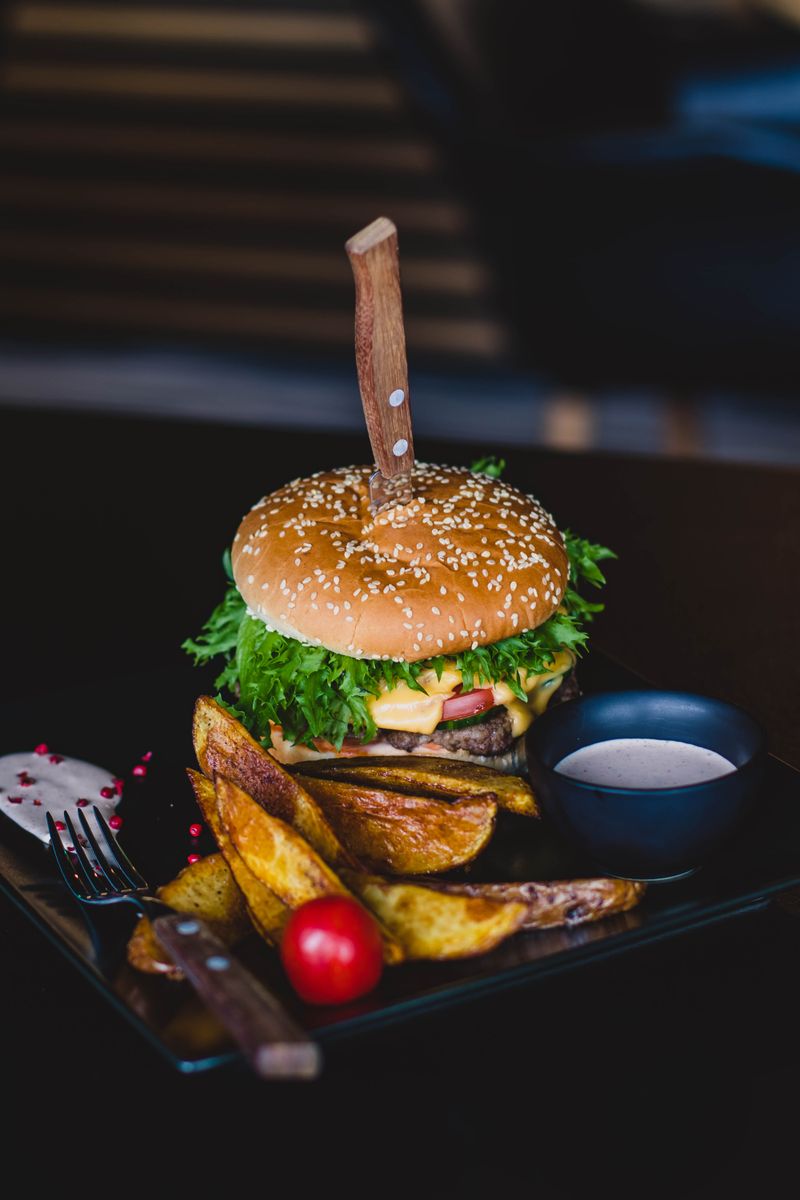
George Town Penang street food and heritage buildings
Malaysia's Cultural Capital

Penang

Where UNESCO streets meet the world's best hawker food

Why Penang Is Malaysia's Most Beloved Island

Penang is not just an island. It is a state of mind. George Town, its capital, was the first British settlement in Southeast Asia and became a melting pot of Malay, Chinese, Indian, and Peranakan cultures long before "multiculturalism" became a buzzword. In 2008, George Town's historic core was designated a UNESCO World Heritage Site — not for its monuments, but for its living, breathing, eating heritage.

Penang is also Malaysia's undisputed food capital. The island's hawker culture is so revered that UNESCO recognized it as intangible cultural heritage. From Penang Road Famous Teochew Cendol to the legendary char kway teow on Lorong Selamat, every street corner is a pilgrimage site for food lovers. Anthony Bourdain called Penang his favorite food destination in Asia. He was right.

What to See in Penang

George Town UNESCO Heritage Zone

Historical Core

Walk through streets frozen in time — pre-war shophouses, clan jetties, and colonial mansions. The area covers 109.38 hectares and is home to over 12,000 old buildings. Every wall tells a story, and every alley hides a surprise.

Start at the Penang Heritage Trust office for a free walking map

Penang Street Art

George Town Walls

Interactive murals by Lithuanian artist Ernest Zacharevic and local artists have transformed George Town into an open-air gallery. The "Kids on Bicycle" and "Boy on Chair" murals are iconic. New works appear regularly.

Rent a bicycle and explore the mural trail at dawn before the crowds

Penang Hill

832 meters above sea level

The oldest hill station in Malaysia, accessible by the funicular railway. At the summit, the temperature drops 5°C, and the views of George Town and the Strait of Malacca are breathtaking. The Habitat rainforest walk is a must.

Buy tickets online to skip the queue; go at sunrise for the best views

Kek Lok Si Temple

Air Itam

The largest Buddhist temple in Malaysia, perched on a hillside with a 30-meter tall bronze statue of the Goddess of Mercy. The temple complex is a riot of color, lanterns, and incense. The view from the pagoda is spectacular.

Visit during Chinese New Year for the temple's legendary light display

Clan Jetties

Weld Quay

Stilt villages built by Chinese immigrants over 150 years ago. The Chew Jetty is the most famous and tourist-friendly. At sunset, the jetties glow with a golden light that photographers chase.

Visit at sunset, then walk to the nearby hawker centers for dinner

Penang Beaches

Batu Ferringhi & Tanjung Bungah

While Penang's beaches are not its main draw, Batu Ferringhi offers a lively resort strip with night markets, water sports, and beachfront dining. Tanjung Bungah is quieter and more local.

The night market at Batu Ferringhi runs every evening and is great for souvenirs

Penang's Food Paradise

Penang is the reason Malaysian food is famous. The island's hawker culture has produced dishes that are now global icons. Here are the Penang specialties you cannot miss:

Penang Cendol

With red beans and corn. The queues at Penang Road Famous Teochew Cendol are long, but the gula melaka is worth it.

Hokkien Mee (Prawn Noodle Soup)

Rich, prawn-based broth with egg noodles and rice noodles. The best stalls are on Burmah Road and Green Lane.

Rojak

A fruit and vegetable salad with a thick, sweet, and spicy shrimp paste. The fruit rojak at Padang Brown is legendary.

Practical Information

  • How to get there: Fly into Penang International Airport (PEN) or take a bus from KL (4-5 hours). Ferries from Butterworth connect to the island.
  • Best time to visit: December to February (dry season). June to August is also good but hotter. Avoid September-October (haze season).
  • Getting around: George Town is walkable. Use the free CAT bus for the heritage zone. Grab works everywhere. Rent a scooter for the beaches.
  • Where to stay: Heritage boutique hotels in George Town (Chulia Street, Love Lane), beach resorts in Batu Ferringhi, or budget hostels in the UNESCO zone.
  • Language: English, Mandarin, Hokkien, and Tamil are widely spoken alongside Malay.

Ready to Eat Your Way Through Penang?

Track every Penang dish you try with our Malaysia Food Passport.

Start Your Food Passport