Malaysia is not a destination you visit — it's a destination you experience. The country is a sensory overload: the call of gibbons at dawn in the world's oldest rainforest, the smell of wok hei from a street-side char kway teow stall, the weightlessness of your first dive on Sipadan, the warmth of a Malay family's open house during Hari Raya. These are not activities to tick off a list. They are moments that change how you see the world.
This guide covers the five defining experiences of Malaysia: wildlife, beaches, food, culture, and adventure. Each one could fill a lifetime of travel. Together, they make Malaysia one of the most experience-rich countries on Earth.
Wildlife: Where the Wild Things Are
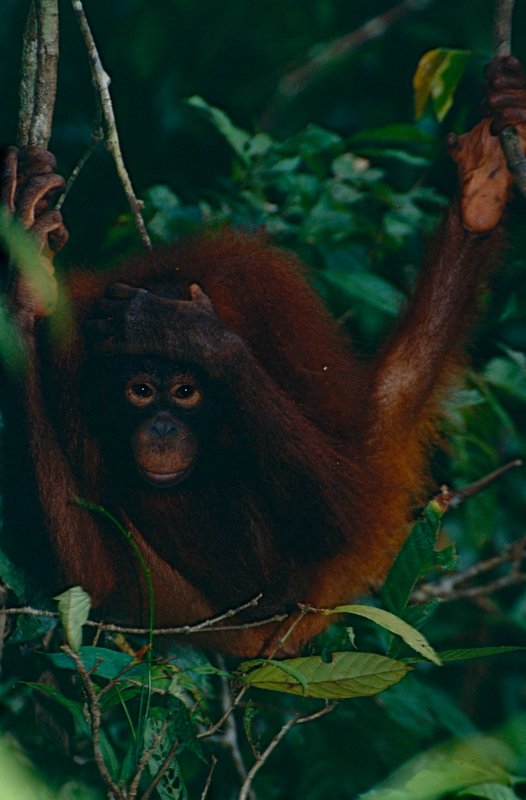
Malaysia is home to some of the world's most iconic wildlife. Borneo's rainforests are the only places on Earth where you can see wild orangutans. The Kinabatangan River is Asia's answer to the Galápagos — a 560-kilometer waterway where elephants swim, crocodiles sunbathe, and hornbills fly overhead in flocks of hundreds. Taman Negara, at 130 million years old, is the world's oldest rainforest, home to tigers, sun bears, and the world's largest flower, the Rafflesia.
Signature Wildlife Experiences
- Orangutan spotting at Sepilok: The rehabilitation centre in Sabah lets you watch orphaned orangutans being prepared for release. The feeding platforms are emotional — great apes swinging through the canopy to take bananas from rangers.
- Kinabatangan River cruise: A dawn river safari reveals pygmy elephants, proboscis monkeys, crocodiles, and if you're lucky, wild orangutans. The sound of the forest waking up is unforgettable.
- Turtle watching at Rantau Abang: From May to September, giant leatherback turtles haul themselves onto the beach to lay eggs. You can watch conservationists relocate eggs to hatcheries to protect them from poachers.
- Night jungle trek in Taman Negara: The forest transforms at night. Tarantulas, luminous fungi, civets, and the eerie calls of nocturnal birds. You need a guide — this is not a solo activity.
- Sun bear conservation at Bornean Sun Bear Conservation Centre: The smallest bears in the world, rescued from poaching and the pet trade. Their expressive faces and playful behavior make this a surprisingly moving visit.
Full Wildlife Guide
Beaches: Two Coasts, Infinite Shores
Malaysia has over 4,600 kilometers of coastline, split between the Strait of Malacca (west coast) and the South China Sea (east coast). Each coast has its own personality. The west coast has resort-style beaches with duty-free shopping (Langkawi) and UNESCO heritage towns (Penang). The east coast has some of the most pristine, undeveloped beaches in Southeast Asia — the kind where you can walk for kilometers without seeing another person.
Must-Experience Beaches
- Perhentian Islands: Crystal-clear water, coral reefs teeming with life, and the best diving in Peninsular Malaysia. The two main islands — Perhentian Besar (family) and Perhentian Kecil (backpacker) — offer different vibes. Open March to October; closed November to February.
- Langkawi: 99 islands of limestone karsts, mangrove forests, and white-sand beaches. Pantai Cenang is the main hub, but Tanjung Rhu on the north coast is quieter and more beautiful. Duty-free alcohol makes it a budget-friendly beach destination.
- Sipadan, Borneo: Consistently ranked among the world's top 10 dive sites. Jacques Cousteau called it "an untouched piece of art." The wall drops 600 meters straight down. Sea turtles, sharks, and schooling barracuda are guaranteed.
- Pulau Rawa, Johor: A private island with powder-white sand and no roads. The Sultan of Johor's former holiday retreat. Now open to the public with just two small resorts.
- Tioman Island: A duty-free island with jungle-backed beaches, coral reefs, and the 200-meter-high Asah Waterfall. The ABC (Air Batang Chalet) area is the backpacker hub; Juara on the east coast is quieter.
Full Beach Guide
Food: The World's Best Hawker Culture
Malaysia's food is UNESCO-recognized — literally. Penang's hawker culture was awarded UNESCO Intangible Cultural Heritage status in 2020. But this is not museum food. It's food eaten on plastic stools at 2 AM, cooked by uncles who have been making the same dish for 40 years. The diversity is staggering: Malay nasi lemak, Chinese char kway teow, Indian roti canai, Peranakan nyonya laksa, and indigenous bamboo chicken. All of it is cheap, delicious, and available within a 5-minute walk almost anywhere in the country.
Food Experiences You Can't Miss
- Penang hawker food tour: Eat your way through Gurney Drive, New Lane, and Chulia Street. Char kway teow, hokkien mee, rojak, cendol, and assam laksa — all within walking distance. RM 30 ($7 USD) feeds two people.
- KL's Jalan Alor at night: The street transforms into an open-air food court at sunset. Grilled stingray, satay, oyster omelets, and durian. The sensory overload is part of the experience.
- Mamak at 3 AM: Indian-Muslim eateries that never close. Roti canai, teh tarik, murtabak, and nasi kandar. The social atmosphere is uniquely Malaysian — every table has a mix of Malay, Chinese, Indian, and tourists.
- Nyonya cooking class in Malacca: Learn to make ayam pongteh, otak-otak, and kuih from a Peranakan grandmother. The recipes are guarded family secrets passed down for generations.
- Track down Ramly burgers: Malaysia's beloved street burger — a beef or chicken patty wrapped in an egg omelet, slathered with chili sauce and mayo, grilled on a sidewalk cart. The best ones are in residential neighborhoods after 10 PM.
Food by Region
Food Passport
Culture: Three Civilizations, One Country
Malaysia is the only country in the world where Malay sultanates, Chinese clan houses, and Hindu temples coexist as equals. The call to prayer from a mosque blends with the clang of a Chinese temple bell and the chant of a Hindu priest. This is not multiculturalism as a policy — it's multiculturalism as a 500-year-old fact of daily life. The result is a culture that is impossible to summarize, endlessly fascinating, and surprisingly welcoming to outsiders.
Cultural Experiences
- Hari Raya open house: During the end of Ramadan, Malay families open their doors to anyone — including strangers — offering food, drinks, and hospitality. It's the most Malaysian experience possible.
- Thaipusam at Batu Caves: One of the world's largest Hindu gatherings outside India. Devotees carry kavadis and pierce their bodies with hooks as acts of devotion. Spectacular, intense, and deeply moving.
- George Town heritage walk: The best-preserved colonial trading port in Southeast Asia. Shophouses, clan jetties, street art, and the food that comes with UNESCO status. Walk it at dawn before the heat.
- Longhouse stay in Borneo: Sleep in a traditional Iban longhouse in Sarawak. Eat with the family, learn blowpipe hunting, and drink tuak (rice wine) while listening to oral histories that predate written records.
- Chinese New Year in KL: The city transforms into a sea of red lanterns. Lion dances, firecrackers, and open houses where every race is invited to eat together. Thean Hou Temple is the most spectacular.
Culture Guide
Adventure: For the Bold
Malaysia's adventure scene is underrated. The country has everything from world-class diving to multi-day jungle treks to the highest via ferrata in the world. The best part? It's all accessible. You don't need a expedition company or months of preparation. You need a pair of trekking shoes and a sense of adventure.
Adventure Experiences
- Mount Kinabalu summit: At 4,095 meters, it's the highest peak in Southeast Asia. The 2-day climb is non-technical but physically demanding. The sunrise from the summit above the clouds is life-changing. Book permits 3+ months in advance.
- Sipadan diving: One of the world's top 10 dive sites. The wall drops 600 meters. Guaranteed sea turtles, reef sharks, and massive schools of barracuda. Limited to 120 divers per day — permits required.
- Mulu Caves, Sarawak: The Sarawak Chamber is the largest cave chamber in the world — big enough to fit 40 Boeing 747s. The Pinnacles trek is a brutal but rewarding climb through limestone spires. The Show Caves are accessible to anyone.
- Taman Negara canopy walk: The world's longest canopy walkway at 530 meters. Walk 40 meters above the forest floor among gibbons, hornbills, and butterflies. The night safari and rapid shooting are classic adventures.
- Cameron Highlands tea plantation trek: Hike through BOH tea plantations, strawberry farms, and mossy forests. The cool climate (15-24°C) makes it a refreshing escape from the tropical heat. The Rafflesia flower trek is a bucket-list item.
- White-water rafting in Gopeng: Grade III rapids on the Kampar River, just 2 hours from KL. No experience needed — guides handle everything. The surrounding rainforest is stunning.