Kuala Lumpur Petronas Towers first time visitor Malaysia welcome
Welcome

First Time in Malaysia

Everything you need to know before your first trip — culture, food, money, transport, and what to expect

Your first trip to Malaysia can feel overwhelming. It's a Muslim-majority country that feels surprisingly Western. A tropical paradise with world-class infrastructure. A place where $5 buys a feast and $50 buys a luxury hotel. Where English is spoken everywhere but the road signs are in Malay. Where three cultures (Malay, Chinese, Indian) live side by side, creating a country that defies simple categorization.

This guide is for the first-timer who wants to understand what they're getting into before they arrive. No fluff, no generic advice — just the practical realities of visiting Malaysia for the first time.

What to Expect: The First-Timer's Reality Check

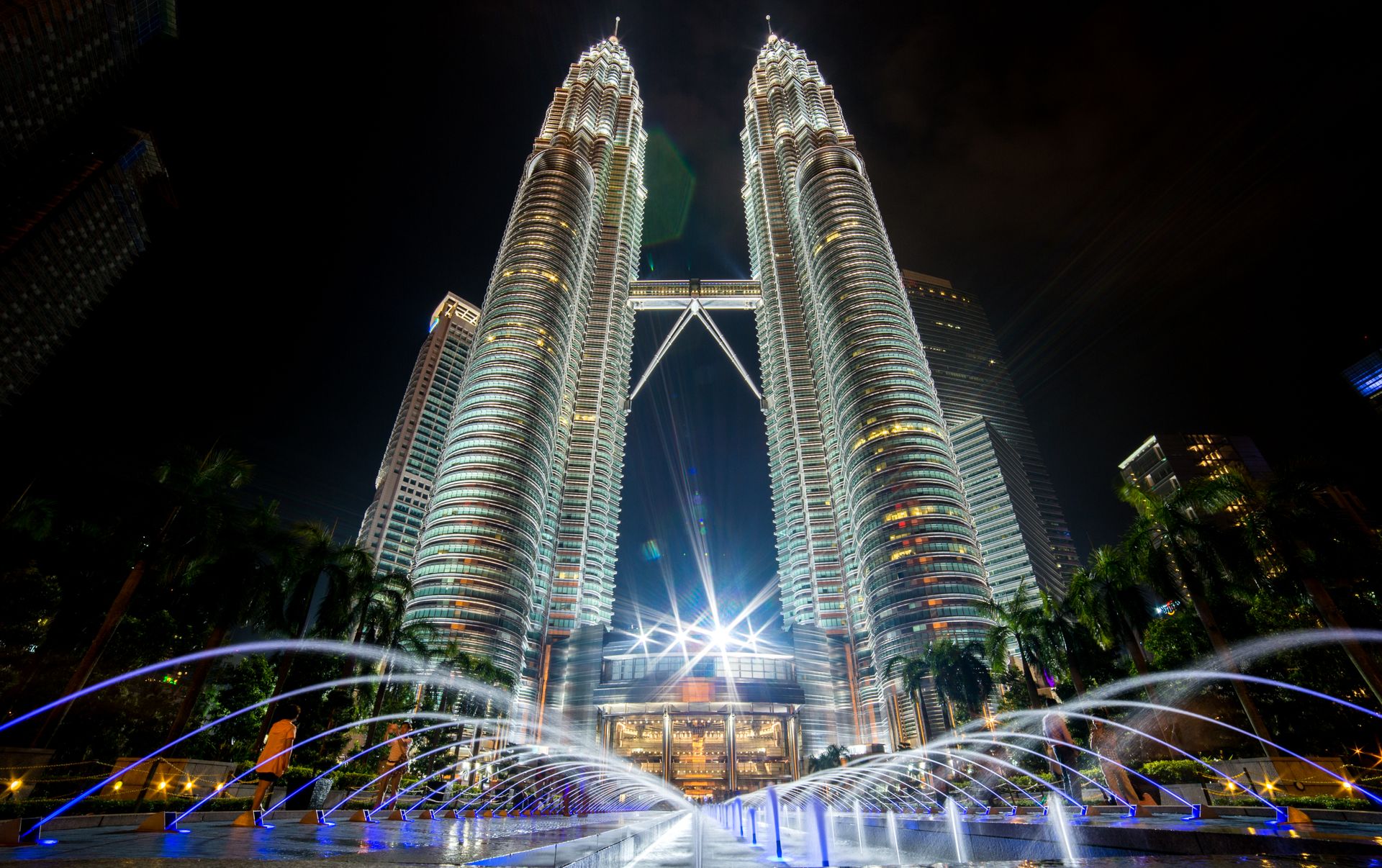
  • It's more modern than you think. Kuala Lumpur has a skyline that rivals New York. The MRT is cleaner than London's. The malls are bigger than anything in Europe. Malaysia is a developing country in name only — the infrastructure is first-world.
  • It's cheaper than you expect. A street food meal costs $2. A Grab ride across the city costs $3. A 4-star hotel costs $50. Your money goes 3-5x further than in Western countries.
  • English is everywhere. Road signs, menus, bus announcements, and most conversations are in English. You'll never feel linguistically lost. But learning "terima kasih" (thank you) earns goodwill.
  • It's hot. Always. 30-35°C (86-95°F) year-round with 80%+ humidity. Air conditioning is your friend. The malls aren't just for shopping — they're for cooling down.
  • The food will ruin your home country's Asian food. After eating Malaysian street food, the "Asian fusion" place back home will taste like sadness. The flavors are bolder, the portions bigger, and the prices lower.
  • It's safe. Malaysia has lower crime than Thailand, Vietnam, or even some European cities. Violent crime against tourists is rare. The biggest risks are sunburn, food poisoning, and traffic.
  • Religion matters. Malaysia is officially Muslim. You'll hear the call to prayer, see women in hijab, and find alcohol restricted in some areas. Respect local customs — especially during Ramadan.
  • It's not just Kuala Lumpur. Most first-timers stay in KL and miss the country's real magic: Penang's street food, Langkawi's beaches, Borneo's orangutans, and Malacca's colonial heritage. Plan to leave the capital.

Culture & Etiquette for First-Timers

  • Dress modestly at religious sites. Cover shoulders and knees when visiting mosques, temples, and rural areas. Bring a scarf for mosques. Batu Caves requires covered knees.
  • Remove shoes before entering homes and mosques. Look for shoe racks at the entrance. Some temples and certain shops also require this.
  • Use your right hand. The left hand is considered unclean in Muslim tradition. Eat, shake hands, and give money with your right hand.
  • Don't point with your index finger. Use your thumb or a closed fist to gesture. Pointing with the index finger is rude.
  • Public displays of affection. Holding hands is fine in tourist areas. Kissing and hugging are not. Keep it modest, especially in Malay-majority areas.
  • During Ramadan: Don't eat or drink in front of fasting Muslims during daylight hours. Tourist areas are unaffected, but be respectful in residential neighborhoods. Some restaurants close during the day.
  • Tipping: Not expected. Most restaurants include a 10% service charge. Round up taxi fares or leave small change at cafes if you want, but it's not mandatory.
  • Photography: Ask before photographing people, especially in rural areas and at religious events. Some mosques and temples prohibit photography inside.
  • Head touching: Don't touch anyone's head — it's considered the seat of the soul in Malay and Buddhist tradition.
  • Feet pointing: Don't point your feet at people or religious objects. Feet are considered the lowest part of the body.

Money & Payments

  • Currency: Malaysian Ringgit (MYR). RM 1 = approximately $0.22 USD. As of 2026, RM 4.50 = $1 USD.
  • Cards vs. cash: Cards are accepted at malls, hotels, and chain restaurants. Hawker stalls, local buses, markets, and small shops are cash-only. Carry RM 200-300 in cash daily.
  • ATMs: Maybank and CIMB have the lowest fees. 7-Eleven ATMs charge RM 10 per withdrawal. Bank ATMs charge RM 0-2. Withdraw larger amounts less frequently.
  • Exchange: Money changers in KLCC, Pavilion, and Mid Valley offer better rates than banks. No commission, just a small spread.
  • Tipping: Not expected. A 10% service charge is usually added to restaurant bills. Round up for taxi drivers if you want.
  • Bargaining: Expected at markets, street stalls, and with taxi drivers (use Grab instead). Not expected in malls, restaurants, or hotels.
  • Tax: Prices displayed usually include 6% SST (Sales and Service Tax). Some tourist shops display prices "++" meaning tax and service charge will be added.

Getting Around: Transport for First-Timers

  • Grab is essential. Download the app before you arrive. It's cheaper, safer, and more reliable than taxis. No haggling. Most drivers speak English. A ride across KL costs RM 10-15 ($2-3.50).
  • Don't flag taxis. They overcharge tourists. If you must use a taxi, insist on the meter or agree on a price beforehand. Airport taxis are regulated and safe.
  • KL MRT/LRT: Clean, air-conditioned, and cheap. RM 2-6 per ride. Avoid rush hour (7-9 AM, 5-7 PM) when it's packed.
  • Monorail: More of a tourist experience than practical transport. Slow and crowded. Use it for the views, not for getting somewhere fast.
  • Buses: Cheap but confusing for first-timers. Routes aren't well-marked. Use Grab for short distances and buses for inter-city travel.
  • Inter-city buses: Excellent for travel between cities. KL to Penang is 4-5 hours, RM 35-50. Comfortable, air-conditioned, with reclining seats. Book at TBS (Terminal Bersepadu Selatan) or use RedBus app.
  • Trains: ETS (Electric Train Service) is fast and comfortable for KL-Ipoh-Butterworth. KL to Penang is 4 hours, RM 60-80. More scenic than the bus.
  • Domestic flights: AirAsia and Malaysia Airlines connect all major cities. KL to Penang is RM 80-150 (1 hour). Book 2-3 weeks ahead for best prices. Tuesday sales on AirAsia.
  • Ferries: Penang to Langkawi (3 hours, RM 70-120). Kuala Besut to Perhentian (45 min, RM 70 round trip). Book tickets in advance during peak season.
  • Driving: Left-hand side. Traffic is chaotic in cities. Renting a car is unnecessary for most first-timers. If you do, International Driving Permit is required.

Food: What First-Timers Need to Know

  • Hawker centers are safe. The food is cooked fresh, the stalls are inspected, and the turnover is high. If a stall has a queue, it's good. If it's empty, there's a reason.
  • "Pedas" means spicy. Malaysian food ranges from mild to nuclear. If you can't handle heat, say "tak mahu pedas" (not spicy) or "kurang pedas" (less spicy).
  • "Halal" signs matter. Muslim-run stalls don't serve pork or alcohol. Chinese stalls often do. Look for the halal sign if you have dietary restrictions.
  • Breakfast is serious. Nasi lemak, roti canai, kaya toast, and dim sum are breakfast staples. Malaysians don't do cereal.
  • Drink choices: "Teh tarik" (sweet milk tea), "kopi" (Malaysian coffee), "milo ais" (iced chocolate malt), "limau ais" (iced lime juice). All are delicious and cost RM 1.50-3.
  • Water: Don't drink tap water. Buy bottled water (RM 2-3 for 1.5L) or use a filter bottle. Hotels usually provide free bottles daily.
  • Fruit: Try durian if you're brave. Mangosteen, rambutan, and mangoes are universally loved. Fresh fruit stalls are everywhere.
  • Alcohol: Available in Chinese and Indian restaurants, bars, and hotels. Expensive in bars (RM 15-25 per beer), cheap in Langkawi (duty-free). Muslims don't drink; don't pressure them.

Health & Safety for First-Timers

  • Vaccinations: No mandatory vaccinations for most travelers. Hepatitis A and typhoid are recommended for long stays. Consult your doctor 6 weeks before travel.
  • Malaria: Present in rural areas of Borneo and the interior. Not a risk in cities or major tourist areas. Take prophylaxis if visiting Taman Negara or remote Borneo. Use insect repellent (DEET) everywhere.
  • Dengue: Present in cities and rural areas. Mosquito-borne. Use repellent, wear long sleeves at dawn/dusk, and stay in places with screens or AC.
  • Healthcare: Excellent and affordable. Private hospitals (KPJ, Gleneagles, Pantai) are international standard. A GP visit costs $15-30. Pharmacies are everywhere and well-stocked.
  • Travel insurance: Essential. Medical care is cheap but not free. Evacuation from remote islands can be expensive. Get coverage with medical evacuation.
  • Food safety: Street food is generally safe. Avoid raw vegetables and unpeeled fruit if you have a sensitive stomach. Ice is safe in cities (made from filtered water).
  • Heat exhaustion: Real risk. Drink 2-3 liters of water daily. Avoid midday sun (11 AM-3 PM). Wear a hat and sunscreen (SPF 30+).
  • Traffic: The biggest safety hazard. Cars don't stop for pedestrians. Cross at designated crossings and look both ways. Motorcycles weave through traffic unpredictably.

Communication & Connectivity

  • Language: Malay (Bahasa Malaysia) is the official language. English is widely spoken in business, tourism, and daily life. Chinese (Cantonese, Hokkien, Mandarin) and Tamil are also common.
  • Phone: Buy a local SIM at the airport (Celcom, Digi, Maxis, or U Mobile). A prepaid SIM with 10GB data costs RM 25-35 ($6-8). Passport required for registration.
  • Wi-Fi: Fast and free everywhere — hotels, cafes, malls, airports. Most restaurants have Wi-Fi. Speeds are 20-100 Mbps in cities.
  • WhatsApp: The universal communication app. Businesses, hotels, and tour operators use WhatsApp. Install it before arriving.
  • VPN: Not necessary for most travelers. Malaysia doesn't block major websites (unlike China). A VPN is still recommended for security on public Wi-Fi.
  • Power: UK-style Type G plugs (3 rectangular pins). 240V, 50Hz. Bring a universal adapter. Power outages are rare in cities.
  • Emergency number: 999 for police/ambulance/fire. 112 works from mobile phones. Tourist police hotline: 03-2149 6590.

What to Pack for Your First Trip

  • Light, breathable clothing: Cotton and linen. The humidity is intense. Dark colors show sweat. Light colors reflect heat.
  • Rain jacket or poncho: Afternoon downpours are common year-round. A compact poncho is more practical than an umbrella in wind.
  • Modest clothing: Long pants and a shirt with sleeves for temples and mosques. A scarf for women visiting mosques.
  • Comfortable walking shoes: You'll walk 10,000+ steps daily. Sneakers or breathable sandals. Flip-flops for beaches and temples.
  • Swimwear: At least 2 sets. You'll swim more than you expect.
  • Sunscreen (SPF 30+): The equatorial sun is brutal. Apply every 2 hours. Reef-safe if snorkeling.
  • Insect repellent (DEET): Essential. Dengue is present. Apply morning and evening.
  • Universal adapter: UK-style Type G. Most hotels have USB ports, but not all.
  • Power bank: Your phone will be your map, translator, camera, and Grab device. It drains fast in the heat.
  • Daypack: For carrying water, sunscreen, and snacks. A waterproof one is ideal for boat trips and sudden rain.
  • Travel insurance documents: Save the policy number and emergency hotline in your phone and a printed copy.
  • Passport copy: Keep a photocopy separate from your passport. Some hotels require it at check-in.

Scams & What to Avoid

Malaysia is one of the safest countries in Asia, but a few scams target tourists. Here's what to watch for:

  • Taxi overcharging: Tuk-tuk scams common in Bangkok are rare in Malaysia, but some taxi drivers refuse to use the meter. Solution: Use Grab. Always.
  • Fake tours: Book tours through your hotel or established operators (Viator, Klook, or reputable local companies). Avoid random touts at bus stations.
  • Gem scams: The classic "my uncle owns a gem shop" scam exists but is less common than in Thailand. If someone approaches you with an unsolicited deal, walk away.
  • Fake goods: Markets sell counterfeit watches, bags, and electronics. Quality varies. Don't expect Rolex-level durability from a RM 50 watch.
  • Religious donation scams: Be wary of people asking for donations to temples or mosques. Legitimate donations are made at the venue, not in the street.
  • Overpriced airport transfers: KLIA Ekspres is RM 55 (28 min). Grab is RM 65-75 (1 hour). Airport taxis are RM 75-100 (fixed rate). Know the prices before you arrive.

Bottom line: Malaysia has fewer scams than Thailand, Vietnam, or India. Use common sense, use Grab, and don't follow touts. You'll be fine.
Ready for Your First Malaysia Trip?

Use our itinerary and budget tools to plan the perfect introduction to Malaysia.

7-Day Itinerary Budget Calculator