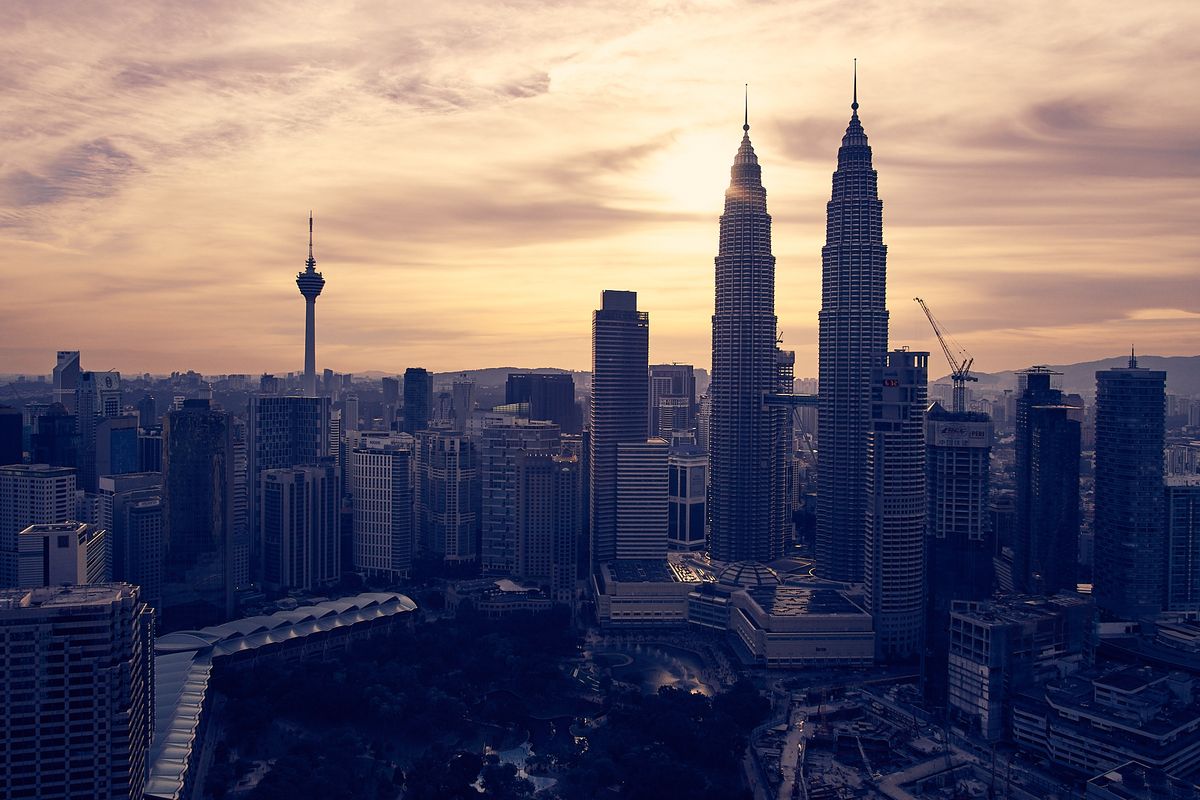
Malaysia is the world's number one halal tourism destination — and it's not even close. With Islam as the official religion, over 60% of the population Muslim, and a government that actively promotes Islamic tourism, Malaysia offers the most seamless halal travel experience anywhere on Earth. You don't need to search for halal food — it finds you. You don't need to ask about prayer facilities — they're everywhere. And you don't need to worry about alcohol in your hotel minibar — because Muslim-friendly hotels don't stock it.
For Muslim travelers, this means a completely different travel experience. No more planning every meal around prayer times. No more carrying a prayer mat because you can't find a mosque. No more explaining your dietary restrictions to confused waiters. Malaysia is built for you. This guide covers everything Muslim travelers need to know: halal food, prayer facilities, mosques, Islamic sites, and Muslim-friendly accommodations.
Why Malaysia Is the Best Halal Destination
- Halal everywhere: Every major restaurant chain, hotel, and food court has halal certification. JAKIM (Department of Islamic Development Malaysia) certifies over 10,000 establishments. Even non-halal restaurants clearly label their menu items.
- Prayer facilities everywhere: Surau (small prayer rooms) exist in every shopping mall, airport, highway rest stop, and even some tourist attractions. You don't need to plan your day around prayer times — just find the nearest surau.
- Islamic heritage sites: From the 500-year-old Malacca Sultanate to the stunning National Mosque in KL, Malaysia's Islamic heritage is both ancient and living.
- Muslim-friendly hotels: Hotels across all price ranges offer qibla direction indicators, prayer mats, Quran in the room, and halal breakfast. Many luxury resorts have gender-segregated pools and spa facilities.
- No alcohol in Muslim areas: In states like Kelantan and Terengganu, alcohol is unavailable. Even in KL, you can easily avoid it.
- English-speaking: Unlike many Muslim-majority countries, Malaysia is fully English-accessible. This makes navigating halal requirements, prayer times, and Islamic sites effortless.
Halal Food in Malaysia: You Never Have to Ask
Malaysia's halal food infrastructure is the best in the world. Here's what Muslim travelers need to know:
Halal Certification System
Look for the JAKIM halal logo — a green logo with white Arabic script. This is the government-issued certification. There are also private halal certifiers, but JAKIM is the gold standard. Most restaurants display the logo prominently at the entrance or on their menu.
Where to Find Halal Food
- Mamak restaurants: Indian-Muslim eateries open 24 hours. Roti canai, teh tarik, nasi kandar, and murtabak are all halal. This is where locals eat, and it's always halal.
- Malay food courts: Government complexes, universities, and public spaces have food courts where all stalls are halal. Look for food courts in KLCC, Mid Valley, and Pavilion.
- Hawker centers: Even in non-Muslim areas like Penang's Gurney Drive, many stalls are halal. Look for the JAKIM logo or ask — hawkers are honest about it.
- International chains: McDonald's, KFC, Pizza Hut, and Starbucks in Malaysia are all halal-certified. This is a huge convenience for Muslim travelers.
- Hotels: Muslim-friendly hotels serve halal breakfast. Luxury hotels like Shangri-La and Grand Hyatt have dedicated halal kitchens. Budget hotels often have breakfast vouchers at nearby halal cafes.
- Street food: Night markets (pasar malam) are predominantly Muslim-run. Ramly burgers, apam balik, murtabak, and lok-lok are all halal.
What to Be Cautious About
- Chinese restaurants: Most traditional Chinese restaurants (not chains) are non-halal. Look for JAKIM certification or ask.
- Indian restaurants: Hindu Indian restaurants are vegetarian but may use alcohol in cooking. Muslim Indian (mamak) restaurants are always halal.
- Alcohol in cooking: Some non-halal restaurants use cooking wine or mirin. Always ask if unsure.
- Alcohol in dessert: Tiramisu and some cakes may contain alcohol. Ask before ordering.
Prayer Facilities: Surau Everywhere
Malaysia has more prayer facilities per capita than any non-Muslim country and most Muslim countries. Here's where to find them:
- Airports: KLIA and KLIA2 have beautiful surau with ablution facilities, prayer mats, and Quran. Most regional airports have them too.
- Shopping malls: Every major mall (KLCC, Pavilion, Mid Valley, 1 Utama) has a surau on every floor. They're well-maintained, air-conditioned, and clearly signposted.
- Highway rest stops (R&R): Even on the highway between cities, rest stops have surau. This makes road trips completely prayer-friendly.
- Tourist attractions: The KL Tower, Menara KL, and some museums have prayer rooms. National parks and islands generally don't, so plan ahead for nature activities.
- Hotels: Muslim-friendly hotels have prayer mats and qibla direction. Some have dedicated prayer rooms.
- Beaches: Popular beaches like Pantai Cenang (Langkawi) and Port Dickson don't have prayer facilities, so time your beach visits around prayer times or bring a portable prayer mat.
Prayer Apps for Malaysia
- Waktu Solat Malaysia: Official JAKIM prayer times. Accurate for every city.
- Muslim Pro: Prayer times, qibla direction, and nearby mosque finder.
- SalamWeb: Malaysia's Muslim-friendly browser with prayer time alerts.
Iconic Mosques to Visit
Malaysia's mosques are architectural marvels and active places of worship. Non-Muslim visitors are welcome outside prayer times, but dress modestly and behave respectfully.
- National Mosque (Masjid Negara), KL: Built in 1965, this stunning modern mosque can hold 15,000 worshippers. The 73-meter minaret and 16-point star dome are iconic. Free entry for non-Muslims 9 AM-12 PM, 3 PM-4 PM, 5:30 PM-6:30 PM. Robes provided.
- Sultan Salahuddin Abdul Aziz Mosque (Blue Mosque), Shah Alam: The largest mosque in Malaysia, with a massive blue dome and four minarets. The most beautiful mosque in the country. Open to non-Muslims outside prayer times.
- Putra Mosque, Putrajaya: The pink-domed mosque on Putrajaya Lake. Breathtaking at sunset. Open to visitors except during prayer times.
- Kampung Kling Mosque, Malacca: A 300-year-old mosque with Chinese, Hindu, and Malay architectural elements. Shows the multicultural history of Malaccan Islam.
- Crystal Mosque, Kuala Terengganu: Made of glass, steel, and crystal. It reflects on the water and glows at night. One of the most unique mosques in the world.
- Floating Mosque, Kota Kinabalu: Built on stilts over the water, this mosque appears to float at high tide. Beautiful at sunset.
- Masjid Jamek, KL: KL's oldest mosque (1909), built at the confluence of the Klang and Gombak rivers. The birthplace of KL.
Muslim-Friendly Hotels & Resorts
Malaysia pioneered the concept of Muslim-friendly tourism. Hotels across all categories cater to Muslim travelers:
Luxury (RM 500+ / night)
- The Datai, Langkawi: Private villas, gender-segregated spa, halal gourmet dining, and no alcohol policy in some room categories.
- Shangri-La Rasa Ria, Kota Kinabalu: Halal-certified kitchen, prayer facilities, and family-friendly beach access.
- Tanjong Jara Resort, Terengganu: Islamic luxury resort. No alcohol, halal fine dining, and gender-segregated pools.
Mid-Range (RM 200-400 / night)
- Hotel Jen / Traders (Shangri-La group): Halal breakfast, prayer mats, qibla direction, and alcohol-free room options.
- Berjaya Hotels: Malaysian chain with strong Muslim-friendly policies. Halal food, prayer facilities, and family rooms.
- The Haven, Ipoh: Family-friendly resort with halal dining and prayer facilities.
Budget (RM 80-200 / night)
- Tune Hotels: Budget chain with clean, halal-adjacent options. Near halal food areas.
- Hotel Sentral chain: Mid-range Malaysian chain. Halal breakfast, prayer mats, and good locations near mosques.
- OYO Rooms (Malaysia): Many OYO properties in Malaysia are Muslim-run and halal by default.
What Makes a Hotel Muslim-Friendly
- Halal-certified kitchen or halal breakfast
- Qibla direction indicator in rooms
- Prayer mats and Quran available
- No alcohol in minibar or room service
- Gender-segregated spa and pool facilities (luxury hotels)
- Family rooms with connecting doors
- Close to mosques or with prayer facilities on-site
Islamic Heritage Sites
Malaysia's Islamic history spans over 600 years, from the Malacca Sultanate to the modern Islamic state. Here are the key sites:
- Malacca Sultanate Palace: A replica of the 15th-century palace of Sultan Mansur Shah. The Malacca Sultanate (1400-1511) was the first Islamic kingdom in maritime Southeast Asia.
- Kampung Hulu Mosque, Malacca: Built in 1728, it's one of the oldest mosques in Malaysia. The Chinese-influenced pagoda-style minaret is unique.
- Makam Hang Tuah, Malacca: The legendary Malay warrior and Islamic hero. His tomb is a pilgrimage site for Malay Muslims.
- Makam Sultan Abdul Samad, Selangor: The tomb of the 4th Sultan of Selangor, a significant Islamic historical site.
- Islamic Arts Museum, KL: The largest Islamic arts museum in Southeast Asia. Over 7,000 artifacts from across the Muslim world. The building itself is stunning.
- Kelantan Traditional Arts: Kota Bharu is the center of Malay Islamic arts — wayang kulit, songket weaving, and silat. The Islamic College Museum has excellent collections.
Halal-Friendly States & Regions
While all of Malaysia is halal-friendly, some states are more Muslim-oriented than others:
- Kelantan & Terengganu: The most conservative states. Alcohol is not sold. Friday is a half-day for businesses. Women (and men) should dress modestly. The beaches are beautiful and less crowded. The Islamic heritage is strongest here.
- Kedah: Home to Langkawi, which is duty-free but still predominantly Muslim. Halal food is everywhere. The state government is religious but the island is more relaxed.
- Pahang: Cameron Highlands and Kuantan. Muslim-friendly but less conservative than the east coast. Cameron Highlands has a cool climate and many Muslim farmers' markets.
- Johor: Close to Singapore. A mix of modern and traditional. Legoland and Desaru are family-friendly with strong halal options.
- Kuala Lumpur: Fully Muslim-friendly. Every district has halal food, surau, and mosques. The most cosmopolitan halal experience in the world.
- Penang: Despite its Chinese majority, halal food is plentiful. George Town's Muslim quarter (Lebuh Acheh) is the historic heart of Penang Islam.
- Sabah & Sarawak: Indigenous cultures mix with Islam. The floating mosques and riverine Muslim communities are unique. Less conservative than Peninsular Malaysia.
Practical Tips for Muslim Travelers
- Download Waktu Solat Malaysia: Official prayer times from JAKIM. More accurate than generic apps.
- Carry a small prayer mat: For beaches, national parks, and remote areas where surau don't exist.
- Book Muslim-friendly hotels: Search for "Muslim-friendly" or "halal hotel" on Booking.com. Many Malaysian hotels now have this tag.
- Plan Friday prayers: Many tourist attractions and restaurants are closed 12:00-2:30 PM on Fridays. Plan indoor activities (museums, shopping malls) during this time.
- Ramadan travel: Ramadan is a beautiful time to visit — the night bazaars are spectacular. But daytime activities may be limited as Muslims fast. Eat discreetly in public.
- Hajj season: Avoid KL during the Hajj departure (Dhu al-Hijjah) as airports are crowded. Hotels near mosques may be booked for religious groups.
- Swimwear: On public beaches, wear modest swimwear. Many Muslim women wear burkini or full swimsuits. On resort beaches, normal swimwear is acceptable but expect modesty from local Muslims.
- Alcohol in hotels: If you book a non-Muslim-friendly hotel, you can request an alcohol-free minibar. Most hotels honor this.
Traveling During Ramadan
Ramadan in Malaysia is a unique experience. The daytime is quiet, but the nights are magical.
- Daytime: Most Malay restaurants are closed during the day. Chinese and Indian restaurants remain open. Malls are quieter. Tourist attractions are less crowded.
- Iftar (breaking fast): At sunset, the entire country eats together. Ramadan bazaars appear in every neighborhood — the best street food of the year. Go to a bazaar for the experience.
- Tarawih prayers: Special night prayers at mosques. Non-Muslims can observe from the back. The communal atmosphere is powerful.
- Hari Raya: The end of Ramadan is the biggest celebration. Open houses invite everyone. Traffic is heavy. Book transport well in advance.
- Etiquette: Don't eat or drink in front of fasting Muslims. Be respectful. Many Muslims appreciate non-Muslim visitors who learn about the fast.