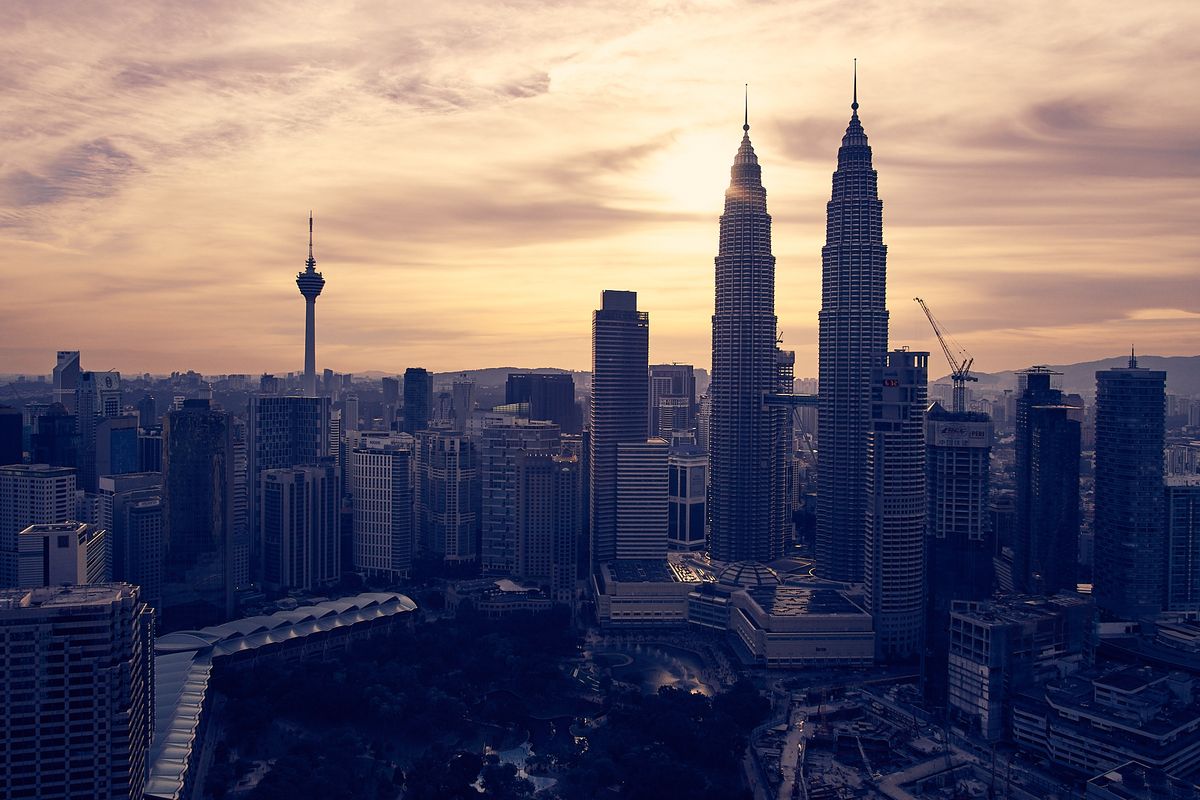
Kuala Lumpur modern skyline coworking cafe digital nomad Malaysia
Work From Paradise

Malaysia for Digital Nomads

Remote work visas, best nomad cities, coworking spaces, and why Malaysia beats Thailand and Bali for remote workers

Malaysia is quietly becoming Southeast Asia's best digital nomad destination. While Bali gets the Instagram hype and Thailand gets the party crowds, Malaysia offers something rarer: a place where you can actually get work done. Fast internet (300+ Mbps in cities), reliable infrastructure, English everywhere, and a cost of living that lets you live well on $1,200-2,000 per month. No visa runs. No power outages. No "maybe tomorrow" attitude.

Whether you're a freelancer, remote employee, or startup founder, Malaysia has a city that fits your style. Kuala Lumpur for the urban professional. Penang for the creative soul. Langkawi for the beach nomad. And with the new DE Rantau Nomad Pass, Malaysia is actively recruiting remote workers. This guide covers everything you need to know about working remotely from Malaysia.

Why Malaysia is the Best Nomad Hub in Southeast Asia

  • Visa: 90 days visa-free for most Western countries. The DE Rantau Nomad Pass offers 12 months with multiple entry. No border runs.
  • Internet: 300+ Mbps fiber in KL and Penang. 4G/5G everywhere. Coworking spaces have backup power and redundant connections.
  • Cost of living: $1,200-2,000/month for a comfortable nomad lifestyle. Private apartments, daily cafe work, gym, and weekend trips included.
  • English: Widely spoken in business and daily life. No language barrier for networking or dealing with landlords.
  • Time zone: UTC+8. Overlaps with APAC (Singapore, Hong Kong, Australia) and partially with Europe. Good for global teams.
  • Reliability: Power, water, and transport work. No daily power cuts. No "Thai time" delays. Things happen on schedule.
  • Food: $2-5 per meal. Hawker centers, cafes, and food courts mean you never cook unless you want to. Saves hours daily.
  • Community: Growing nomad scene in KL and Penang. Regular meetups, coliving spaces, and networking events.
  • Safety: One of the safest countries in Asia. Low crime, stable politics, excellent healthcare. You can focus on work, not survival.
  • Travel base: KLIA is a major hub. Cheap flights to Bali, Thailand, Vietnam, Singapore, Japan, and Australia for weekend trips.

Visa Options for Digital Nomads

Tourist Visa (90 Days) Best for Short Stay

Most Western nationals get 90 days visa-free on arrival. No application needed. No fees. You can leave for a weekend in Singapore and return for another 90 days. This is the easiest option for nomads staying 3 months or less.

Pros: Free, instant, no paperwork.
Cons: 90-day limit, no official work status.
Best for: Nomads testing Malaysia before committing.

DE Rantau Nomad Pass (12 Months) Best for Long Stay

Malaysia's official digital nomad visa, launched in 2022. Valid for 12 months with multiple entry. Requires proof of remote work income ($24,000/year minimum) and health insurance. Application is online and takes 4-6 weeks.

Pros: 12 months, multiple entry, official status, tax-free foreign income.
Cons: RM 1,000 fee ($220), requires income proof, health insurance mandatory.
Best for: Nomads staying 6+ months who want legal clarity.

Malaysia My Second Home (MM2H) Best for Permanent Base

A long-term visa program for foreigners who want to live in Malaysia. Requires a fixed deposit (RM 1 million for those under 50, RM 500,000 for 50+) and proof of offshore income. Valid for 5 years, renewable.

Pros: 5-year visa, path to permanent residency, includes dependents.
Cons: High financial requirements, complex application.
Best for: High-earning nomads or retirees wanting a permanent base.

Best Nomad Cities in Malaysia

Kuala Lumpur Best for Professionals

KL is Malaysia's nomad capital. The city has dozens of coworking spaces, fast internet, a growing startup scene, and infrastructure that rivals Singapore at half the cost. Neighborhoods like Bangsar, Mont Kiara, and KLCC are popular with nomads.

Coworking: Common Ground, WORQ, Colony, Spaces, WeWork. Day passes RM 30-50; monthly RM 300-600.

Cafes: VCR, Bean Brothers, Pulp, Feeka, and dozens of laptop-friendly cafes with Wi-Fi and power outlets.

Accommodation: Studio apartments in KLCC/Bangsar: $400-700/month. Serviced apartments: $600-1,000.

Cost: $1,500-2,500/month for a comfortable nomad lifestyle.

Pros: Best infrastructure, largest nomad community, direct flights everywhere.
Cons: Traffic, heat, can feel sterile compared to Penang.

Penang (George Town) Best for Creatives

George Town is Malaysia's most charming city for nomads. UNESCO heritage streets, world-class street food, and a slower pace than KL. The nomad community is smaller but tighter — everyone knows everyone after a month.

Coworking: @CAT Penang, MSOGO, and numerous cafes with nomad-friendly policies.

Cafes: China House (massive cafe with Wi-Fi), The Alley, Constant Gardener, and heritage kopitiams.

Accommodation: Heritage shophouse rooms: $250-400. Modern apartments: $350-550.

Cost: $1,200-2,000/month. Cheaper than KL with better food.

Pros: Best food in Malaysia, walkable, creative energy, beach 30 min away.
Cons: Smaller airport (regional flights only), slower pace, fewer networking events.

Langkawi Best for Beach Nomads

Langkawi is the ultimate beach nomad destination. Duty-free alcohol, beachfront cafes, and a work-swim-sunset routine that never gets old. The nomad community is seasonal — stronger November-March.

Coworking: Limited. Most nomads work from beach cafes or hotel lobbies. The Andaman has a coworking space for guests.

Cafes: Yellow Beach Cafe, Fat Cupid, Ngopi Pantai, and hotel cafes with ocean views.

Accommodation: Beachfront apartments: $300-500. Budget bungalows: $200-350.

Cost: $1,200-2,000/month. Alcohol is cheap (duty-free).

Pros: Beaches, cheap beer, island lifestyle, no traffic.
Cons: Limited coworking, can feel isolated, rainy season (September-October).

Johor Bahru Best for Singapore Access

JB is a 1-hour bus from Singapore but costs 60% less. Popular with nomads who need occasional Singapore meetings but want Malaysian prices. The city is developing rapidly with Iskandar Malaysia.

Coworking: Worq JB, CEO Suite, and several Singapore-branded spaces.

Accommodation: Modern apartments: $300-500. Much cheaper than Singapore.

Cost: $1,000-1,800/month. The cheapest major city option.

Pros: Singapore access, lowest costs, good food, new infrastructure.
Cons: Less charm than Penang or KL, border traffic, smaller nomad community.

Nomad Cost of Living Breakdown

Monthly costs for a single nomad in Kuala Lumpur (Penang is 10-15% cheaper, Langkawi is similar):

Budget Nomad $1,000-1,400

Accommodation: Shared apartment or studio in suburbs ($300-500)
Food: Hawker centers and local food ($200-300)
Coworking: Cafe working or budget coworking ($100-200)
Transport: Grab and public transport ($100-150)
Activities: Free events, parks, beaches ($50-100)
Misc: Phone, gym, laundry ($100-150)

Comfortable Nomad $1,500-2,200

Accommodation: Serviced apartment or condo in central area ($500-800)
Food: Mix of hawker and restaurants ($300-450)
Coworking: Premium coworking space ($250-400)
Transport: Grab primarily ($150-200)
Activities: Weekend trips, gym, social events ($200-300)
Misc: Phone, laundry, shopping ($100-200)

Luxury Nomad $2,500-4,000+

Accommodation: Luxury condo or hotel ($1,000-2,000)
Food: Fine dining and delivery ($500-800)
Coworking: Private office or premium space ($400-600)
Transport: Private driver or car rental ($300-500)
Activities: Frequent travel, spa, golf ($400-600)
Misc: Premium services, shopping ($300-500)

Best Coworking Spaces in Malaysia

Kuala Lumpur

  • Common Ground — Multiple locations (Damansara, KL Eco City, Bukit Bintang). Beautiful design, strong community. Day pass RM 50; monthly RM 400-600.
  • WORQ — KL's largest local coworking chain. Gasket Alley and TTDI locations are popular with nomads. Day pass RM 40; monthly RM 350-500.
  • Colony — Premium coworking with hotel-like amenities. Star Boulevard and KL Eco City locations. Day pass RM 60; monthly RM 500-800.
  • Spaces — International brand at Menara LGB and KL Sentral. Reliable and professional. Day pass RM 50; monthly RM 450-650.
  • WeWork — Equatorial Plaza and KL Sentral. Global network access. Day pass RM 70; monthly RM 600-900.

Penang

  • @CAT Penang — Creative coworking in a heritage building. Strong community focus. Day pass RM 30; monthly RM 300-400.
  • MSOGO — Modern space with good internet and meeting rooms. Monthly RM 350-450.
  • China House — Technically a cafe, but nomads colonize it daily. Buy a coffee and work for hours.

Langkawi

  • The Andaman Resort — Has a coworking space for guests and visitors. Beachfront with reliable Wi-Fi.
  • Beach cafes — Yellow Beach Cafe, Fat Cupid, and various hotel lobbies serve as informal coworking spaces.

Internet & Connectivity

  • Home internet: 300-800 Mbps fiber available in most urban areas. Unifi and Maxis are the main providers. RM 100-200/month ($22-45).
  • Mobile data: Celcom, Digi, Maxis, and U Mobile offer 30-100GB monthly plans for RM 30-60 ($7-14). 5G is available in KL, Penang, and Johor Bahru.
  • Coworking Wi-Fi: Most spaces offer 100+ Mbps dedicated lines with backup power. Test before committing to a monthly plan.
  • Cafe Wi-Fi: Generally reliable in nomad-friendly cafes. Speeds range 20-50 Mbps. Always have mobile data as backup.
  • VPN: Recommended for security on public Wi-Fi. Malaysia does not block major VPNs.
  • Power: Malaysia uses UK-style Type G plugs (3 rectangular pins). Bring a universal adapter. Power outages are rare in cities.

Nomad Tips for Malaysia

  • Book accommodation for 1 month upfront. Monthly rates are 30-50% cheaper than nightly rates. Airbnb and iBilik (local platform) offer the best deals.
  • Get a local bank account. Maybank and CIMB offer accounts to foreigners with a valid visa. Makes paying rent and utilities easier.
  • Join nomad groups. "Digital Nomads Malaysia" and "Kuala Lumpur Digital Nomads" on Facebook. Regular meetups and apartment sublets posted.
  • Learn basic Malay. "Terima kasih" (thank you), "berapa?" (how much?), and "tak faham" (I don't understand) go a long way.
  • Respect Ramadan. During fasting month, eating in front of fasting Muslims is considered rude. Tourist areas are unaffected, but be mindful in residential areas.
  • Friday prayers: Many Muslim-run businesses close 12-2:30 PM on Fridays. Plan meetings accordingly.
  • Healthcare: Excellent and affordable. A GP visit costs $15-30. KPJ and Gleneagles are international standard. Get health insurance.
  • Don't overwork. Malaysia's food scene, weekend markets, and nature are too good to miss. Take Sundays off.
  • Explore on weekends. KL to Penang is a 4-hour bus. Langkawi is a 1-hour flight. Cameron Highlands is 3 hours. Easy weekend trips.
  • Tax: Foreign income is generally not taxed in Malaysia if you stay under 182 days. Consult a tax professional for your specific situation.

Ready to Work From Malaysia?

Use our budget calculator and travel guides to plan your nomad base.

Calculate Your Budget 2-Week Itinerary