Planning a trip to Malaysia is straightforward — English is widely spoken, the infrastructure is modern, and 90-day visa-free entry is available for most nationalities. But the country's diversity means you need to plan what to prioritize. Rainforests, beaches, cities, and food all compete for your time. This hub collects every planning resource you need: visa requirements, budget calculators, sample itineraries, and the insider tips that make the difference between a good trip and an unforgettable one.
Start Here
Plan Your Trip
Everything you need to plan the perfect Malaysia trip — visa, budget, itineraries, and essential tips
Visa & Entry Requirements
Malaysia has one of the most generous visa policies in Asia. Citizens of over 160 countries can enter visa-free for up to 90 days. The process is simple: fill out the Malaysia Digital Arrival Card (MDAC) online within 3 days of arrival, and present your passport at immigration.
- Who needs a visa: Most Western, ASEAN, and East Asian citizens do NOT need a visa for stays up to 90 days. Check the official Immigration Department website for your specific nationality.
- MDAC (Digital Arrival Card): Mandatory for all visitors. Fill out online at https://imigresen-online.imi.gov.my/mdac within 3 days before arrival. It's free and takes 5 minutes.
- Passport validity: Your passport must be valid for at least 6 months beyond your arrival date.
- Return ticket: Immigration may ask for proof of onward travel. A confirmed flight ticket or bus booking to Singapore/Thailand is sufficient.
- Proof of funds: Rarely checked, but have a credit card or bank statement available just in case.
- Extensions: You can apply for a 30-day extension at any Immigration Department office. Cost: approximately RM 100. Apply at least 7 days before your current entry expires.
Budget: What to Expect
Malaysia is one of the best-value destinations in Southeast Asia. It's cheaper than Singapore, more developed than Indonesia, and offers better infrastructure than Thailand. The key to budgeting is understanding the three tiers: backpacker, mid-range, and luxury.
Budget
RM 80–150 / day
Hostels (RM 30–50), street food (RM 5–15 per meal), buses, and free activities. Total: ~$20–35 USD per day.
Mid-Range
RM 200–400 / day
Boutique hotels (RM 150–250), restaurant meals (RM 20–50), Grab transport, and paid tours. Total: ~$45–90 USD per day.
Luxury
RM 500+ / day
5-star resorts (RM 400+), fine dining (RM 100+), private drivers, and helicopter tours. Total: $120+ USD per day.
When to Visit
Malaysia is a year-round destination, but the monsoon pattern splits the country into two seasons. The east coast (Perhentian, Tioman, Redang) has a dry season from March to October and a wet season from November to February when many islands close. The west coast (Langkawi, Penang, KL) is driest from December to March. The good news: with Malaysia's compact size, you can always chase the sun.
- March–May: Best overall. Good weather everywhere, fewer crowds, lower prices. The east coast is reopening after the monsoon.
- June–August: Peak east coast season. Perhentian, Tioman, and Redang are at their best. The west coast may see intermittent afternoon rain.
- December–February: Peak west coast season. Langkawi, Penang, and KL are dry and sunny. The east coast is in monsoon — all islands closed.
- September–November: Shoulder season. The east coast is closing. Possible haze from Indonesian forest fires. Lower prices and fewer tourists.
Suggested Itineraries
Malaysia rewards the traveler who moves slowly. Don't try to see everything in one trip. Pick a region and explore it properly. Here are three proven itineraries:
7-Day Classic: West Coast & Highlands
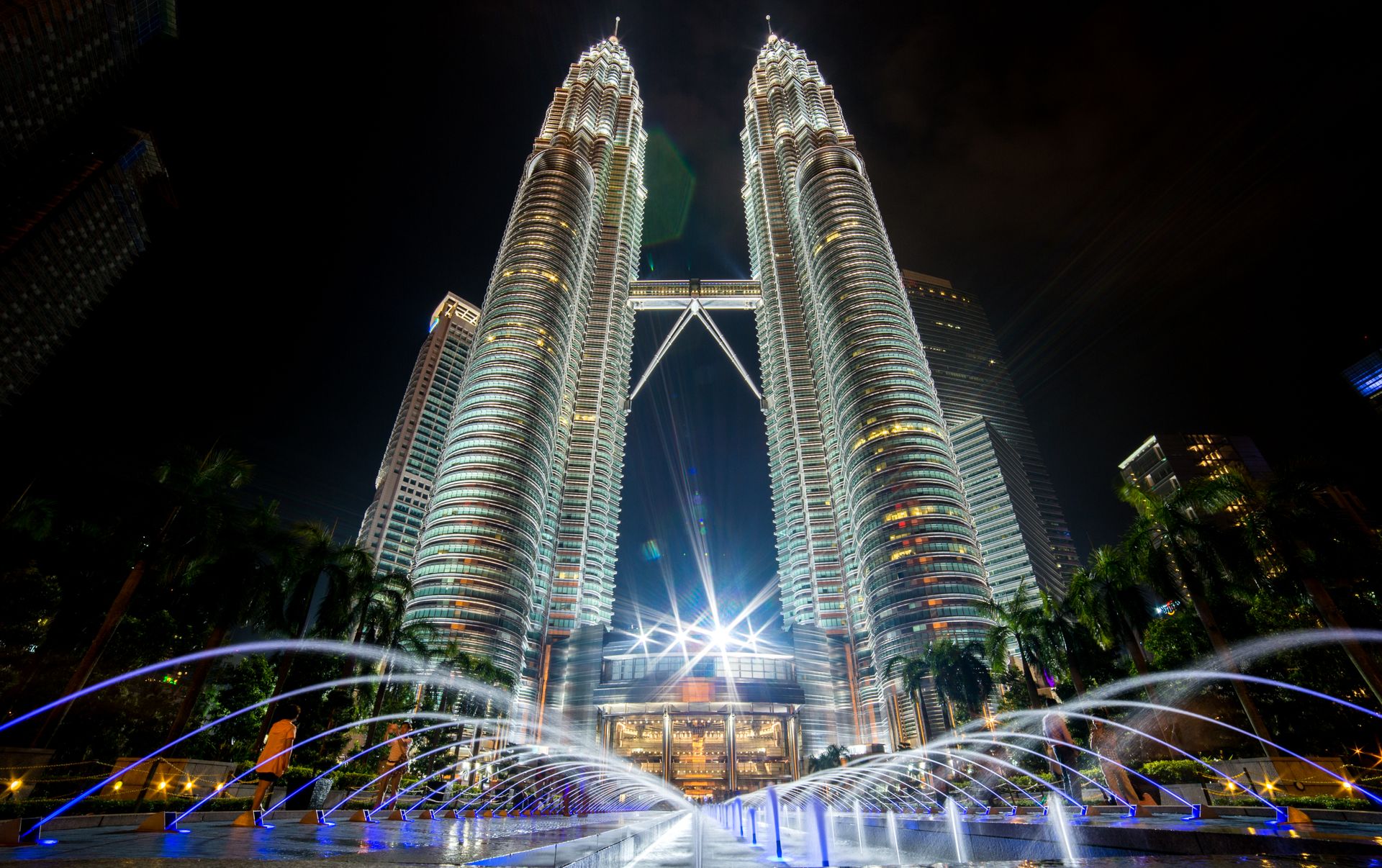
- Day 1–2: Kuala Lumpur — Petronas Towers, Batu Caves, Chinatown, and Jalan Alor street food.
- Day 3–4: Cameron Highlands — Tea plantations, strawberry farms, mossy forest treks, and cool mountain air.
- Day 5–6: Penang — George Town UNESCO heritage, street art, hawker food, and clan jetties.
- Day 7: Return to KL for departure or extend to Langkawi.
14-Day Complete: Peninsular + Borneo
- Day 1–3: Kuala Lumpur — Full city immersion.
- Day 4–6: Penang — Food, culture, and heritage.
- Day 7–9: Perhentian Islands — Diving, snorkeling, and beach time (March–October only).
- Day 10–11: Fly to Kota Kinabalu, Sabah — Mount Kinabalu base or city exploration.
- Day 12–13: Kinabatangan River — Wildlife safari and orangutan spotting.
- Day 14: Return to KL for departure.
5-Day Food & Culture Focus
- Day 1–2: Kuala Lumpur — Jalan Alor, Petaling Street, Little India, and a cooking class.
- Day 3–4: Malacca — Peranakan culture, Jonker Street, and Nyonya food.
- Day 5: Penang — Gurney Drive hawker food and George Town street art.
Essential Travel Tips
- Download Grab before you arrive. It's Malaysia's Uber equivalent — cheaper, safer, and more reliable than taxis. You need a local SIM or roaming data to use it.
- Get a local SIM at the airport. Hotlink, Digi, and Celcom all offer tourist SIMs with 30+ GB for under RM 30 ($7 USD). The airport counters are open 24/7.
- Pack light, breathable clothing. Malaysia is hot and humid year-round. Cotton and linen are your friends. Bring a rain jacket for sudden tropical downpours.
- Bring a universal adapter. Malaysia uses Type G plugs (same as UK). Voltage is 240V.
- Insect repellent is essential. Dengue fever is present in urban areas. Use DEET-based repellent, especially at dawn and dusk.
- Don't drink tap water on islands. Stick to bottled water on the Perhentian Islands and other remote locations. In cities, tap water is technically safe but most locals don't drink it.
- Book Mount Kinabalu permits 3+ months in advance. They sell out fast, especially during peak season (June–August).
- East coast islands are closed November–February. Perhentian, Tioman, and Redang shut down during the northeast monsoon. Plan accordingly.
- Friday prayer time (12:00–2:30 PM): Many Malay shops and restaurants close. Plan indoor activities (museums, malls) during this time.
- English is widely spoken. But learning a few Malay phrases goes a long way: "Terima kasih" (thank you), "Selamat pagi" (good morning), and "Berapa harga?" (how much?).
Packing List
- Clothing: Light, breathable shirts (3–5), shorts (2–3), one pair of long pants for temples, swimwear (2), light jacket for Cameron Highlands and air-conditioned buses, rain jacket (compact).
- Footwear: Comfortable walking shoes (essential), sandals/flip-flops, water shoes for rocky beaches.
- Electronics: Universal adapter (Type G), power bank, phone charger, waterproof phone case for beach days.
- Health: Insect repellent (DEET), sunscreen (SPF 30+), antihistamines, basic first aid kit, personal medications.
- Documents: Passport (6+ months validity), printed MDAC confirmation, travel insurance documents, photocopies of passport.
- Miscellaneous: Dry bag for boat trips, reusable water bottle, small daypack, sunglasses, hat.
Ready to Plan Your Malaysia Trip?
Use our budget calculator to estimate your costs and build your perfect itinerary.
Budget Calculator 7-Day Itinerary