Perlis is Malaysia's smallest state, and that's precisely its charm. There are no shopping malls, no traffic jams, no tourist buses — just quiet villages, limestone hills, and a pace of life that feels like it's from another era. This is the Malaysia that most travellers never see: a rural state where farmers still harvest rubber by hand, where the weekend market is the social event of the week, and where the Thai border creates a unique cultural blend. For those who want to experience the Malaysia of old, Perlis is a revelation.
Perlis
Kangar
Malaysia's smallest and most peaceful state — caves, rainforest, and a taste of the Thai border
Why Visit Perlis
- Malaysia's smallest state: Perlis covers just 821 square kilometres — you can drive across it in an hour. But within that compact area is a surprising diversity of caves, rainforest, and farmland.
- Gua Kelam (Cave of Darkness): A unique cave system with a 370-meter walkway built through it. The cave was historically used as a route for tin miners and traders crossing from Thailand. Stalactites, bats, and a cool underground river.
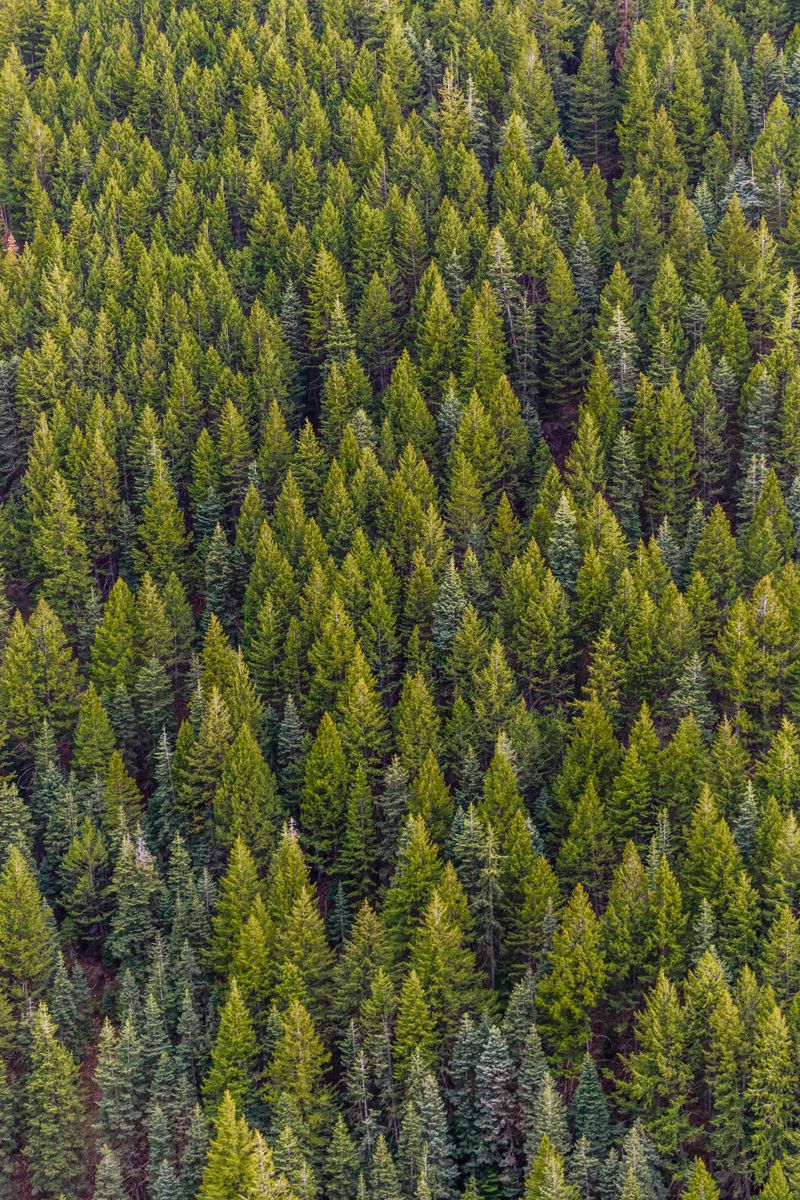
- Perlis State Park: A protected area of limestone hills, forest, and rare wildlife. The park is home to the Perlis pitcher's plant, limestone karsts, and caves that are still being explored.
- Padang Besar border town: A bustling border market where Malaysia meets Thailand. Shop for Thai snacks, textiles, and cheap goods. The train station connects to both countries' rail networks.
- Authentic rural life: Perlis is untouched by tourism. The villages, the food stalls, the markets — everything is for locals, not visitors. It's a genuine glimpse into rural Malay life.
- Budget-friendly: Perlis is one of Malaysia's cheapest states. Accommodation, food, and transport are all significantly cheaper than KL or Penang.
Things to Do in Perlis
Gua Kelam (Cave of Darkness)
The most famous attraction in Perlis. Gua Kelam is a 370-meter cave system with a wooden walkway built through it, originally constructed by an Englishman in 1935 to transport tin from a mine on the Thai side. The walk takes you past stalactites, underground streams, and colonies of bats. The cave is cool and damp — bring a light jacket. The name means "Cave of Darkness" in Malay, and the further you go, the more you'll understand why. Flashlight recommended, though the walkway is lit.
Perlis State Park
A protected area of 5,000 hectares encompassing limestone hills, lowland forest, and caves. The park is home to unique flora including the Perlis pitcher plant and several species of wild orchids. Wildlife includes sun bears, leopards, and over 150 bird species. The park has several hiking trails of varying difficulty. The Wang Burma limestone cave system is particularly impressive. Permits are required for entry and can be obtained from the park office.
Padang Besar
The northernmost town in Peninsular Malaysia, sitting right on the Thai border. The border market is a chaotic, colourful experience — vendors sell Thai snacks, cheap clothing, kitchenware, and electronics. The Padang Besar railway station is a key transit point for the Eastern & Oriental Express and local trains to Thailand. It's a fascinating glimpse into border life, with Thai and Malay influences mixing in the food and language.
Kota Kayang Museum
Located near the ancient site of Kota Kayang, this museum showcases the history of Perlis from prehistoric times to the present. Exhibits include artifacts from the Neolithic era, royal regalia, and displays on the state's tin mining and agricultural heritage. The building itself is a traditional Malay house that was once the residence of a local dignitary.
Arau Royal Town
Arau is the royal town of Perlis and home to the Raja of Perlis. The Istana Arau (Arau Palace) is not open to the public, but the surrounding town is pleasant to explore. The Arau railway station is a beautiful heritage building and a stop on the train line from KL to Thailand. On Fridays, the town comes alive with the weekly market.
Kuala Perlis Waterfront
A quiet fishing town on the Straits of Malacca, Kuala Perlis is famous for its seafood — particularly the fish crackers (keropok) and fresh prawns. The waterfront promenade is a pleasant place for an evening stroll. From here, you can take the ferry to Langkawi (1.5 hours, slightly longer than from Kuala Kedah). The town has a sleepy, end-of-the-road feeling that many travellers find enchanting.
What to Eat in Perlis
Perlis cuisine is northern Malay food at its simplest and freshest. The proximity to Thailand means you'll find subtle Thai influences, and the seafood is excellent.
- Laksa Perlis: A rice noodle soup in a thick, spicy fish gravy. The Perlis version is influenced by Thai flavours — slightly sour and herby. Different from the southern Malaysian laksas.
- Ikan Bakar Kuala Perlis: Freshly caught fish grilled over charcoal and served with a fiery sambal. The fishing village of Kuala Perlis is the place to eat it — the fish was likely caught that morning.
- Keropok Lekor: Fish crackers made from pounded fish and sago flour. The Perlis version is lighter and crispier than the Terengganu version. Sold at every market.
- Nasi Ulam: Rice mixed with fresh herbs and served with sambal. A healthy, traditional dish that showcases the herbs grown in village gardens.
- Thai-influenced snacks: Because of the border proximity, Thai snacks like mango sticky rice, Thai desserts, and som tam are readily available in Padang Besar and Kangar.
Practical Information
- Getting there: The nearest airport is Sultan Abdul Halim Airport in Alor Setar (40 km from Kangar). Buses run from KL to Kangar (6-7 hours, RM 50-70). The train from KL to Arau takes 5-6 hours (RM 40-120).
- Getting around: Perlis is small — a car or motorcycle is the best way to explore. Taxis and Grab are available in Kangar. Public buses connect the main towns but are infrequent.
- Best time to visit: December to April (dry season). The northeast monsoon (November-February) brings rain but less severely than the east coast. Perlis is generally drier than the rest of the peninsula.
- Dress code: Dress modestly, especially in rural areas and at mosques. The conservative north appreciates respectful dress.
- Language: Malay is the primary language. English is limited outside hotels. A few Malay phrases will go a long way. Thai is also spoken in Padang Besar.
- Border crossing: Padang Besar is an official border crossing to Thailand. Malaysians and Singaporeans can cross freely. Other nationalities should check visa requirements.
Where to Stay
- Putra Brasmana Hotel: The best hotel in Kangar. Modern, clean, and centrally located. Has a pool and a decent restaurant. RM 150-250/night.
- Hotel Seri Malaysia Kangar: Reliable mid-range chain hotel. Comfortable rooms and good value. RM 100-160/night.
- StarLodge: Budget-friendly option in Kangar. Clean, basic, and walking distance to the night market. RM 60-100/night.
- Homestays: Several village homestays offer a genuine rural experience. Expect basic facilities but warm hospitality. RM 40-80/night including meals.