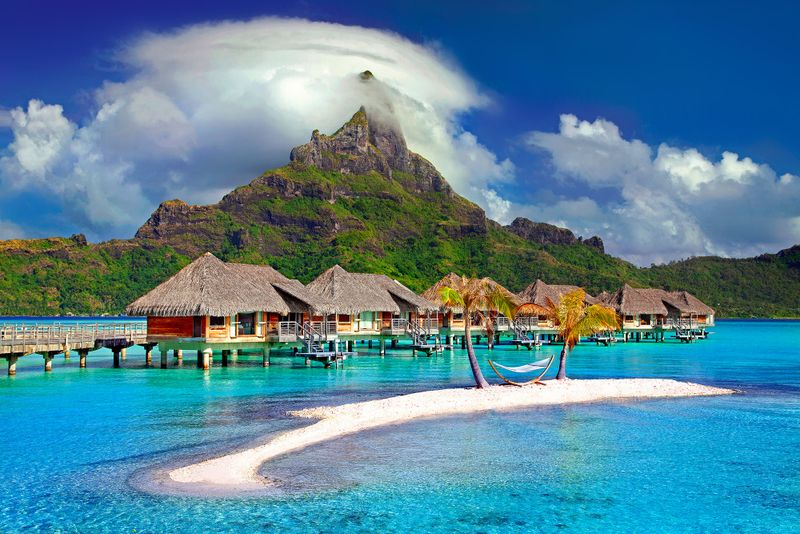
Terengganu is the Malaysia of postcards — pristine islands with water so clear it looks Photoshopped, a capital city that wears its Islamic heritage with pride, and a coastline that has been the domain of fishermen and sailors for centuries. While the Perhentian Islands get the international attention, the mainland is equally compelling. Kuala Terengganu is a city of grand mosques, traditional markets, and a waterfront that comes alive at sunset. The state's commitment to Islamic art and architecture has produced some of Malaysia's most beautiful buildings, including the Crystal Mosque — a structure made of steel and glass that seems to float on the water.
Terengganu
Kuala Terengganu
Islamic heritage, crystal mosques, and the gateway to Malaysia's most beautiful islands
Why Visit Terengganu
- Crystal Mosque: One of Malaysia's most stunning modern mosques. Built from steel and glass, the mosque appears to float on the water and is lit brilliantly at night. It's a masterpiece of Islamic architecture.
- Island paradise: Terengganu is the gateway to the Perhentian Islands, Redang, and Pulau Kapas — three of Malaysia's most beautiful islands. The marine parks here have some of the best diving and snorkelling in Southeast Asia.
- Traditional crafts: Terengganu is the centre of traditional boat building (pinas) and batik in Malaysia. You can watch master craftsmen at work in villages that have been producing these goods for generations.
- Islamic Heritage Park: A comprehensive park on Wan Man Island featuring replicas of famous Islamic monuments from around the world, including the Taj Mahal and Jerusalem's Dome of the Rock.
- Authentic Malay culture: Terengganu is one of Malaysia's most conservative states, with a strong Malay identity. The culture here is more traditional than in KL or Penang, offering an authentic experience.
- Budget-friendly islands: While Redang has luxury resorts, the Perhentian Islands and Pulau Kapas cater to backpackers and mid-range travellers. You can enjoy world-class beaches for a fraction of the cost of the Maldives.
Things to Do in Terengganu
Crystal Mosque (Masjid Kristal)
Located on Wan Man Island in the Islamic Heritage Park, the Crystal Mosque is Terengganu's most photographed landmark. Built from steel and glass, the mosque reflects off the water and glows brilliantly when lit at night. The interior is equally impressive with crystal chandeliers and detailed Islamic patterns. Non-Muslim visitors are welcome outside prayer times, and the evening visit is particularly magical. The surrounding park is pleasant for a stroll, with views of the Terengganu River.
Islamic Heritage Park (Taman Tamadun Islam)
A unique theme park on Wan Man Island featuring 22 replicas of famous Islamic monuments from around the world. Highlights include the Taj Mahal, the Dome of the Rock, and the Blue Mosque of Istanbul. The park is educational and visually impressive, offering a crash course in Islamic architectural history. The Crystal Mosque is the centerpiece. The park is best visited in the late afternoon to catch the sunset over the river.
Pasar Payang (Central Market)
Kuala Terengganu's main market is a two-story building on the riverfront. The ground floor is fresh produce, fish, and local snacks. The upper floor is where you'll find Terengganu's famous batik, songket weaving, and brassware. The market is a riot of colour and sound, and the vendors are friendly and happy to explain their crafts. It's the best place to buy authentic batik at reasonable prices. Go early (7-9 AM) for the full experience.
Kampung Cina (Chinatown)
One of the oldest Chinatowns in Malaysia, with a history dating back to the 16th century. The narrow streets are lined with heritage shophouses, many of which have been restored. The Kampung Cina Archway is a landmark, and the area is famous for its street food. The blend of Chinese and Malay culture here is a microcosm of Malaysia itself. Visit at night when the streets are lit with red lanterns.
Traditional Boat Building (Bangau Perahu)
Terengganu has been building wooden boats for centuries, and the tradition continues in villages along the coast. The pinas, a traditional Malay sailing boat, is still built by hand using techniques passed down through generations. You can visit boatyards in Duyong and Pulau Duyong to watch the craftsmen at work. The annual Monsoon Cup sailing regatta brings international attention to this heritage.
Batik Factories
Terengganu is Malaysia's batik capital. The traditional wax-resist dyeing technique produces beautiful fabrics in vibrant colours. You can visit factories in the outskirts of Kuala Terengganu to see the process from wax application to dyeing. The Noor Arfa Batik Complex is the largest and most visitor-friendly, with a showroom, factory tour, and workshops where you can try batik painting yourself. A hand-painted batik piece makes a unique souvenir.
Pulau Kapas
A small island just 6 km off the coast of Marang, Pulau Kapas is a quieter alternative to the Perhentian Islands. The beaches are pristine, the water is crystal clear, and the coral reefs are healthy. The island is less developed than Perhentian, with a handful of budget and mid-range resorts. It's perfect for travellers who want a beach escape without the party crowds. The name means "Cotton Island" in Malay, referring to the white sand.
What to Eat in Terengganu
Terengganu food is heavily Malay and coastal, with an emphasis on fresh fish, coconut, and rice. The cuisine is distinct from the rest of Malaysia — sweeter, more coconut-based, and with unique dishes you won't find elsewhere.
- Nasi Dagang: Terengganu's most famous dish — rice cooked in coconut milk and served with a fish curry (usually tuna). It's the state's breakfast of choice and a source of fierce regional pride. The rice has a distinct flavour from the coconut and fenugreek.
- Keropok Lekor: Fish crackers made from pounded fish and sago flour, deep-fried until crispy. The Terengganu version is the original and still the best. Sold at every market and street corner. The best are made fresh and eaten hot.
- Satar: Grilled fish wrapped in a banana leaf cone. The fish is mixed with coconut and spices, then grilled over charcoal. A traditional Terengganu snack that's smoky, sweet, and savoury.
- Lompat Tikam: A layered dessert of glutinous rice, coconut milk, and palm sugar. The name literally means "jump and stab" — a reference to the technique used to cut the layers. It's Terengganu's most distinctive sweet.
- Otak-Otak: Spiced fish paste wrapped in a banana leaf and grilled over charcoal. The Terengganu version is sweeter and more coconut-heavy than the Singaporean version. A popular street snack.
- Kepok: Crispy fish crackers made from shark meat. Lighter and airier than keropok lekor. Sold in packets at markets and eaten as a snack.
Practical Information
- Getting there: Sultan Mahmud Airport (TGG) in Kuala Terengganu has flights from KL (1 hour, RM 100-250). You can also take the bus from KL (6-7 hours, RM 45-70) or drive via the East Coast Highway. The Perhentian Islands are accessed by boat from Kuala Besut (1 hour from KT).
- Getting around: Taxis and Grab operate in KT. For the islands, take the ferry from Kuala Besut (Perhentian), Shahbandar Jetty (Redang), or Marang (Kapas). Car rental is useful for exploring the coast.
- Best time to visit: March to September (dry season). The northeast monsoon (November-February) brings heavy rain and closes the east coast islands. Many mainland attractions remain open year-round.
- Dress code: Dress modestly. Cover shoulders and knees. Women should consider wearing a headscarf at mosques. Beachwear is acceptable on the islands but not on the mainland.
- Language: Malay is the primary language. English is spoken at hotels and tourist sites but less common than in KL. The local dialect is distinct from standard Malay.
- Gateway to islands: Kuala Besut (1 hour from KT) is the jetty for the Perhentian Islands. Shahbandar Jetty in KT serves Redang. Marang (15 km south of KT) serves Pulau Kapas.
Where to Stay
- Grand Puteri Hotel: The best hotel in KT. Modern, comfortable, and walking distance to Pasar Payang and the waterfront. Has a pool and a good restaurant. RM 200-350/night.
- Felda Residence: Mid-range option on the outskirts of KT. Clean, comfortable, and affordable. RM 120-180/night.
- Hotel Seri Malaysia: Budget-friendly chain hotel near the bus station. Basic but clean. RM 80-120/night.
- Island resorts: The Perhentian Islands, Redang, and Kapas have a range of accommodation from backpacker chalets (RM 50-100/night) to luxury resorts (RM 400-1,000+/night). Book in advance during peak season (June-August).