Sarawak is Malaysia's most enchanting state. Its capital, Kuching, is the most liveable city in Borneo - a place of leafy streets, riverside promenades, and a food scene that rivals Penang's. The name Kuching means 'cat' in Malay, and the city has embraced its feline identity with a Cat Museum, cat statues, and an annual cat festival. But beyond the quirky charm of Kuching lies a wilderness that is truly wild: the Mulu Caves, a UNESCO World Heritage site with the largest cave chamber in the world; the Semenggoh Wildlife Centre, where semi-wild orangutans swing through the canopy; and the Iban longhouses, where indigenous communities still live in communal wooden houses that stretch the length of a football field. Sarawak is where Malaysia's modernity meets its ancient soul.
Kuching
The most charming city in Borneo, surrounded by ancient rainforest, caves, and orangutans
Why Visit Sarawak
- Kuching: The most charming city in Borneo. A riverfront city with a relaxed vibe, excellent food, and a unique cat-themed culture. The old town has colonial shophouses, Chinese temples, and a waterfront promenade that comes alive at sunset.
- Mulu Caves (UNESCO): The Mulu Caves are one of the most spectacular cave systems on Earth. The Sarawak Chamber is the largest cave chamber in the world - big enough to fit 40 Boeing 747s. The Deer Cave has millions of bats that emerge in a swirling vortex at dusk.
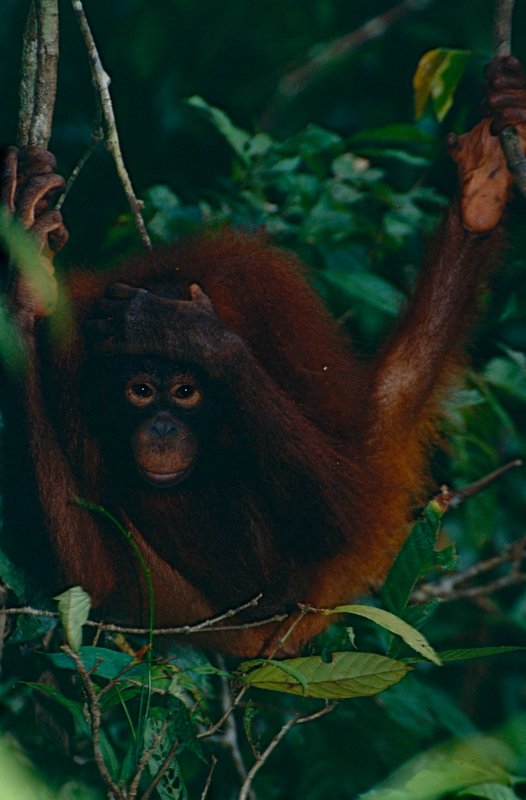
- Orangutans at Semenggoh: The Semenggoh Wildlife Centre rehabilitates orphaned and injured orangutans. During feeding times, semi-wild orangutans swing down from the forest to platforms. It's one of the best places in the world to see these great apes in a near-natural environment.
- Iban longhouses: The Iban people of Sarawak live in traditional longhouses - communal wooden structures that can house over 100 families. Staying in a longhouse is a genuine cultural immersion, with home-cooked food, tuak (rice wine), and stories by the fire.
- Bako National Park: Sarawak's oldest national park, accessible by boat from Kuching. The park has proboscis monkeys, bearded pigs, and dramatic sandstone cliffs that rise from the sea. The trails range from easy walks to challenging hikes.
- Rainforest World Music Festival: One of the world's great music festivals, held annually at the Sarawak Cultural Village. Three days of world music in the heart of the rainforest, with international and indigenous artists performing on traditional instruments.
Things to Do in Sarawak
Kuching Waterfront
The heart of Kuching is its riverfront promenade, which stretches along the Sarawak River. The waterfront is lined with food stalls, cafes, and souvenir shops, and offers views of the Astana (the Governor's residence) and the Fort Margherita on the opposite bank. The best time to visit is at sunset, when the sky turns pink and the river reflects the lights of the city. The nearby Main Bazaar has antiques, handicrafts, and tribal art. The waterfront is the social centre of Kuching - locals stroll, tourists photograph, and street musicians play into the night.
Sarawak Cultural Village
A living museum that showcases the cultures of Sarawak's seven major ethnic groups: Iban, Bidayuh, Penan, Orang Ulu, Malay, Chinese, and Melanau. Each group has a traditional house that you can enter, with guides demonstrating crafts, music, and daily life. The village hosts cultural performances twice daily. The annual Rainforest World Music Festival is held here. It's the best introduction to Sarawak's multicultural society, and the location on the beach at the foot of Mount Santubong is beautiful.
Mulu Caves
A UNESCO World Heritage site in the interior of Sarawak, the Mulu Caves are one of the natural wonders of the world. The Deer Cave has the largest cave passage in the world and is home to millions of bats. The evening bat exodus is a spectacular sight - a black column of bats spiralling into the sky. The Sarawak Chamber is the largest cave chamber on Earth. The Pinnacles are a forest of razor-sharp limestone spires. The caves are accessed by boat and require a flight to Mulu airport. Multi-day trekking is available for the adventurous.
Semenggoh Wildlife Centre
One of the best places in the world to see orangutans in a semi-wild setting. The centre rehabilitates orphaned and injured orangutans, releasing them into the surrounding forest. During feeding times (9-10 AM and 3-4 PM), the orangutans swing down to platforms to collect fruit. The sight of a fully grown male orangutan with his cheek pads and auburn fur is unforgettable. The centre is 30 minutes from Kuching and is best visited early in the morning. Remember: these are wild animals, not a zoo - sightings are not guaranteed.
Bako National Park
Sarawak's oldest national park, established in 1957. The park is famous for its proboscis monkeys - the endemic Borneo monkeys with the distinctive long noses. The park also has bearded pigs, monitor lizards, and over 150 bird species. The coastline is dramatic, with sandstone cliffs, sea stacks, and hidden beaches. The trails range from easy 1-hour walks to challenging full-day hikes. The park is accessible only by boat from Kampung Bako (30 minutes from Kuching). Accommodation is available in the park, from campsites to chalets.
Iban Longhouse Stay
The Iban are the largest indigenous group in Sarawak, and their traditional longhouses are a defining feature of the culture. A longhouse is a communal wooden structure that houses multiple families, with a shared veranda (ruai) for socialising. Staying in a longhouse involves sleeping on a woven mat, eating home-cooked food, and drinking tuak (rice wine) with the hosts. The most accessible longhouses are in the Batang Ai region (4 hours from Kuching). It's a genuine cultural exchange, not a tourist show - be respectful, bring a small gift, and be prepared for basic facilities.
Kuching Cat Museum
Located in the North City Hall building, this museum is dedicated to all things feline. Over 4,000 artifacts, paintings, and photographs of cats from around the world. The museum covers the history of cats in Sarawak, cat mythology, and even cat-themed advertising. It's quirky, charming, and very Kuching. Entry is free, though a small donation is appreciated. The view from the hilltop location is also worth the visit.
What to Eat in Sarawak
Sarawak's food is one of Malaysia's great culinary traditions. The cuisine blends Malay, Chinese, and indigenous flavours into something unique. Kuching is particularly famous for its laksa and kolo mee.
- Sarawak Laksa: Arguably Malaysia's best laksa. A complex, spicy noodle soup with a base of sambal belacan, coconut milk, and a spice paste that includes over 20 ingredients. Topped with prawns, chicken, and bean sprouts. The late Anthony Bourdain called it the 'breakfast of the gods.' The best is at Chong Choon Cafe in Kuching.
- Kolo Mee: Dry-tossed noodles with minced pork, BBQ pork, and shallots. The Kuching version is springy, savoury, and addictive. It's the city's most popular breakfast dish. The noodles are typically topped with a signature red char siu pork.
- Manok Pansoh: Chicken cooked in a bamboo tube with ginger, lemongrass, and tapioca leaves. A traditional Iban dish that is smoky, aromatic, and tender. The bamboo imparts a unique flavour. Available at Iban longhouses and some Kuching restaurants.
- Midin: A wild fern that grows in the Sarawak jungle, stir-fried with belacan (shrimp paste) or garlic. The texture is crunchy and slightly sweet. It's a Sarawak specialty that you won't find elsewhere in Malaysia.
- Umai: A raw fish salad similar to ceviche, made with fresh river fish, lime, chilli, and shallots. A Melanau dish that is refreshing and spicy. The fish is cured in the lime juice, not cooked.
- Kek Lapis Sarawak: Sarawak layer cake - a colourful, multi-layered cake that is baked one layer at a time. The patterns are intricate, and the flavours range from pandan to chocolate to cheese. A popular souvenir and a must-try in Kuching.
Practical Information
- Getting there: Kuching International Airport has flights from KL, Singapore, and many Asian cities. Mulu is accessible by flight from Kuching or Miri (MASwings). The longhouse regions are accessed by 4WD and boat from Kuching or Sibu.
- Getting around: Kuching is compact and walkable. Taxis and Grab are available. For Bako and Semenggoh, join a tour or take a bus/taxi. The Mulu caves require a flight to Mulu airport. Longhouse trips require a tour operator.
- Best time to visit: June to August (dry season, best for wildlife and Mulu). The Rainforest World Music Festival is in July. The wet season (November-February) brings rain but doesn't usually disrupt travel. Kuching is wet year-round but less so in the middle of the year.
- Dress code: Casual for Kuching. Dress modestly when visiting longhouses and religious sites. For jungle trekking, wear long sleeves, trousers, and leech socks. Bring a raincoat - Borneo is wet.
- Language: English is widely spoken in Kuching - it's the primary language of tourism and business. Malay and Chinese are also common. In longhouse villages, the local language is spoken, but guides translate.
- Longhouse etiquette: Bring a small gift (rice, sugar, biscuits). Remove shoes before entering. The ruai (veranda) is the communal space - don't enter private rooms without invitation. Ask before photographing people. Be prepared for tuak (rice wine) - it's rude to refuse.
Where to Stay
- Hilton Kuching: The best hotel in Kuching, right on the riverfront. Excellent facilities, views, and location. RM 300-500/night.
- Marriott Kuching: A modern upscale hotel in the city centre. Walking distance to the waterfront and restaurants. RM 250-400/night.
- Raia Hotel: A good mid-range option near the city centre. Clean, comfortable, and good value. RM 120-200/night.
- Longhouse homestays: Several Iban and Bidayuh longhouses offer homestays. Basic facilities but a unique cultural experience. Expect RM 150-300/night including meals and transport. Book through a tour operator.
- Mulu National Park accommodation: The park headquarters has chalets and a hostel. Book well in advance, especially during the dry season. RM 100-300/night.
- Bako National Park: Chalets and hostel within the park. Basic but comfortable. Must be booked in advance. RM 50-200/night.