Sabah is Malaysia's greatest adventure playground. In a single week, you can climb the highest peak in Southeast Asia, dive with hammerhead sharks at one of the world's top dive sites, watch wild orangutans swing through the canopy, and cruise a river at sunset surrounded by pygmy elephants and proboscis monkeys. Kota Kinabalu (KK) is the capital - a relaxed coastal city with a famous sunset market, a waterfront lined with seafood restaurants, and islands just 15 minutes offshore. But the real magic of Sabah lies beyond the city: in the cloud forests of Mount Kinabalu, the coral walls of Sipadan, the dark jungles of the Kinabatangan, and the ancient trees of the Danum Valley. This is Borneo at its most dramatic.
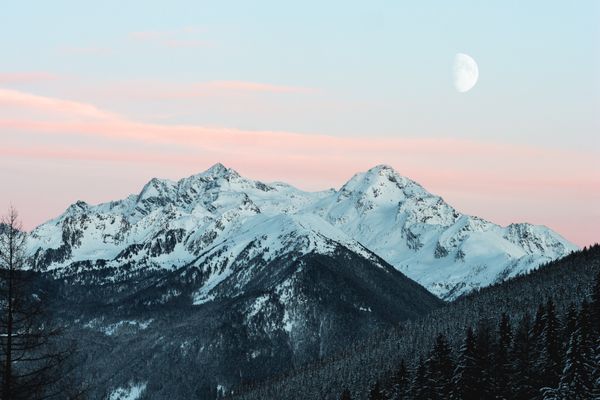
Sabah
Kota Kinabalu
Borneo's highest peak, the world's best diving, and wildlife that exists nowhere else on Earth
Why Visit Sabah
- Mount Kinabalu (UNESCO): At 4,095 meters, Mount Kinabalu is the highest peak in Southeast Asia. The 2-day climb is challenging but non-technical, and the sunrise from the summit is one of the most beautiful in the world. The mountain is a UNESCO World Heritage site and a biodiversity hotspot.
- Sipadan Island diving: Jacques Cousteau called Sipadan an 'unparalleled piece of art.' The island sits on the edge of a 600-meter drop-off, with turtles, sharks, barracuda tornadoes, and coral walls that are among the healthiest on Earth. It's consistently ranked as one of the world's top 5 dive sites.
- Sepilok Orangutan Rehabilitation Centre: One of the world's most respected orangutan conservation projects. The centre rehabilitates orphaned orangutans for release into the wild. The viewing platforms allow close-up observation of these great apes during feeding times.
- Kinabatangan River: A 560-kilometer river that is the best place in Borneo to see wildlife. Proboscis monkeys, pygmy elephants, crocodiles, hornbills, and orangutans are all visible from river cruises. The riverine forest is a critical wildlife corridor.
- Danum Valley: A 130-million-year-old primary rainforest that is one of the world's most important research sites. The canopy walkway offers views of the forest, and the wildlife includes orangutans, clouded leopards, and the world's largest flower (Rafflesia).
- Tunku Abdul Rahman Marine Park: A group of five islands just 15 minutes from Kota Kinabalu. The coral reefs, clear water, and white sand beaches make it one of the most accessible island destinations in Malaysia. Perfect for snorkelling, diving, and beach relaxation.
Things to Do in Sabah
Mount Kinabalu Climb
The climb to Mount Kinabalu's summit is the highlight of any Sabah trip. The trek starts at Timpohon Gate (1,866 meters) and ascends through cloud forest, montane forest, and alpine scrub to the summit at 4,095 meters. The first day is a 6-hour hike to Laban Rata base camp, where you spend the night. The second day starts at 2 AM for the final push to the summit in time for sunrise. The views from Low's Peak are extraordinary - on a clear day, you can see all the way to the Philippines. The climb requires a permit and a guide, and must be booked in advance (limited to 135 climbers per day). No technical climbing skills are required, but a reasonable fitness level is essential.
Sipadan Island Diving
Sipadan is a small oceanic island that rises 600 meters from the seabed. The diving here is legendary - a vertical wall of coral that drops into the abyss, patrolled by sharks, turtles, and massive schools of barracuda and jacks. The turtle tomb, an underwater cave system, is for advanced divers only. Due to environmental protection, only 120 dive permits are issued per day, and you must book through a Sipadan-approved operator. The nearby islands of Mabul and Kapalai offer excellent muck diving and macro photography. Sipadan is not for beginners - strong currents and deep walls require experience.
Sepilok Orangutan Rehabilitation Centre
Founded in 1964, Sepilok is one of the world's most respected orangutan conservation projects. Orphaned and injured orangutans are rehabilitated and taught the skills they need to survive in the wild. The viewing platform at the feeding station allows visitors to watch the orangutans during feeding times (10 AM and 3 PM). The nearby Bornean Sun Bear Conservation Centre is also worth a visit. The Rainforest Discovery Centre next door has a canopy walkway that offers views of the forest. Sepilok is 30 minutes from Sandakan and is best visited as a day trip or overnight stay.
Kinabatangan River Cruise
The Kinabatangan is Sabah's longest river and one of the best wildlife-watching destinations in Southeast Asia. The river cruises (morning and late afternoon) take you through mangrove forests and oxbow lakes, where you're almost guaranteed to see proboscis monkeys, long-tailed macaques, and hornbills. If you're lucky, you'll see pygmy elephants, crocodiles, and even wild orangutans. The night cruises reveal nocturnal wildlife including civets, owls, and slow lorises. The best lodges are along the river near Sukau and Bilit. Book a 2-night package for the best experience.
Danum Valley Conservation Area
A 438-square-kilometre area of pristine primary rainforest that has never been logged. The Danum Valley Field Centre is one of the world's leading tropical rainforest research stations. Visitors can trek through the forest, climb the canopy walkway for views above the trees, and search for the Rafflesia - the world's largest flower. The wildlife includes orangutans, gibbons, clouded leopards, and over 300 bird species. Access is limited and requires a permit and a 4WD transfer from Lahad Datu. The Borneo Rainforest Lodge is the luxury accommodation option.
Tunku Abdul Rahman Marine Park
Just 15 minutes by speedboat from Kota Kinabalu, this marine park consists of five islands: Gaya, Sapi, Manukan, Mamutik, and Sulug. The islands have coral reefs, white sand beaches, and clear water perfect for snorkelling and diving. Manukan is the most developed, with a resort and facilities. Sapi is quieter and has a nice beach. Gaya has a resort and a forest trail. The park is a perfect day trip from KK - bring a picnic or eat at the island cafes. The coral is healthy and the fish life is abundant, making it ideal for beginner snorkellers.
Kota Kinabalu Waterfront (KK Waterfront)
KK's social hub is its waterfront promenade, lined with seafood restaurants, bars, and street food stalls. The Filipino Market is nearby, selling handicrafts, pearls, and dried seafood. The Gaya Street Sunday Market is a weekly event that draws the entire city. The Signal Hill Observatory offers panoramic views of the city and the islands. For the best seafood, walk to the waterfront restaurants and choose your fish from the tanks. The sunset views over the South China Sea are spectacular.
What to Eat in Sabah
Sabah's food is a mix of Malay, Chinese, Kadazan-Dusun, and Bajau influences. The seafood is exceptional, the indigenous cuisine is unique, and the Chinese food is some of the best in Malaysia.
- Sinamu: A traditional Kadazan-Dusun dish of fresh fish fermented with rice. The result is a pungent, sour paste that is an acquired taste but beloved by locals. It's the Sabah equivalent of tempoyak or budu.
- Tuaran Mee: A Sabah noodle specialty from the town of Tuaran. The egg noodles are fried until crispy on the outside and soft inside, topped with roast pork and vegetables. A breakfast staple in KK.
- Sang Nyuk Mee: Pork noodles in a clear broth, Sabah-style. The pork is fresh and the broth is light. The Tawau version is particularly famous, with a richer, more flavourful broth.
- Sabah Seafood: The seafood in KK is world-class. The waterfront restaurants serve fresh fish, prawns, crabs, and lobster cooked to order. The chilli crab, butter prawns, and steamed fish are the highlights. The fish was likely caught that morning.
- Bambangan: A wild mango native to Borneo, used in sambal and pickles. The fruit is fibrous and tart, with a strong aroma. It's a Sabah specialty that is rarely found outside the state.
- Hinava: A Kadazan-Dusun raw fish salad similar to ceviche, made with mackerel, lime, chilli, and shallots. It's refreshing, spicy, and a popular dish at festivals and celebrations.
Practical Information
- Getting there: Kota Kinabalu International Airport (BKI) has flights from KL, Singapore, and many Asian cities. Sandakan Airport (SDK) serves the Sepilok and Kinabatangan areas. Tawau Airport (TWU) is the gateway to Sipadan. MASwings connects the smaller towns. Domestic flights are frequent and affordable.
- Getting around: KK is compact and walkable. Grab is widely available. For Mount Kinabalu, book a tour or take a bus from KK (2 hours). For Sepilok and Kinabatangan, fly to Sandakan and arrange transport. For Sipadan, fly to Tawau and take a bus to Semporna (1.5 hours). For Danum Valley, fly to Lahad Datu and take a 4WD transfer.
- Best time to visit: March to October (dry season, best for diving and Mount Kinabalu). The wet season (November-February) brings rain but rarely disrupts travel. Sipadan diving is good year-round, though visibility is best from April to October.
- Dress code: Casual for KK and the islands. Dress modestly in rural areas. For Mount Kinabalu, bring warm layers - temperatures at the summit can drop to freezing. For jungle trips, wear long sleeves, trousers, and leech socks.
- Language: English is widely spoken in KK, especially in tourism. Malay and Chinese are also common. In rural areas, English may be limited. The indigenous languages (Kadazan-Dusun, Bajau) are spoken in the villages.
- Sipadan permits: Sipadan diving requires a permit (only 120 per day). Book at least 3 months in advance through a dive operator. Divers must be Advanced Open Water certified or equivalent. The nearby islands of Mabul and Kapalai do not require permits.
Where to Stay
- Shangri-La's Tanjung Aru Resort: The best resort in KK, with a stunning beach, sunset views, and excellent facilities. The Sunset Bar is legendary. RM 500-900/night.
- Hyatt Regency Kinabalu: A modern luxury hotel in the city centre. Walking distance to the waterfront and markets. RM 300-500/night.
- Horizon Hotel: A good mid-range option in KK. Clean, comfortable, and centrally located. RM 150-250/night.
- Sukau lodges: The Kinabatangan river lodges range from basic backpacker options (RM 150/night) to upscale eco-lodges (RM 400-600/night). Most include meals and river cruises. Myne Resort and Sukau Rainforest Lodge are recommended.
- Sepilok accommodations: Sepilok Jungle Resort and Sepilok Nature Resort are comfortable options near the orangutan centre. RM 200-400/night.
- Sipadan/Mabul: Sipadan Water Village and Mabul Water Bungalows are the luxury options. Budget options on Mabul start at RM 100/night. All packages include meals and dives.